


Hey there! As a supplier of Aluminum Hydroxide Filler, I've been getting a lot of questions lately about how it affects the washing fastness properties of textiles. So, I thought I'd dive into this topic and share some insights with you all.
First off, let's talk about what Aluminum Hydroxide Filler is. It's a white, powdery substance that's commonly used in a variety of industries, including textiles. It's known for its flame - retardant properties, as well as its ability to improve the mechanical and physical properties of materials. When it comes to textiles, Aluminum Hydroxide Filler can be added during the manufacturing process to enhance certain characteristics.
How Does Aluminum Hydroxide Filler Affect Washing Fastness?
Washing fastness refers to how well a textile retains its color, shape, and other properties after being washed. When Aluminum Hydroxide Filler is used in textiles, it can have several impacts on washing fastness.
One of the main ways it affects washing fastness is through its chemical stability. Aluminum Hydroxide is a relatively stable compound. When it's incorporated into the textile fibers, it can form a protective layer around the fibers. This layer helps to prevent the dyes and other chemicals in the textile from leaching out during washing. For example, in a colored textile, the filler can act as a barrier, keeping the color locked in and reducing color fading.
Another aspect is the improvement of the textile's mechanical strength. Aluminum Hydroxide Filler can enhance the overall strength of the textile fibers. This means that during the agitation and friction that occur during washing, the fibers are less likely to break or fray. As a result, the textile maintains its shape and integrity better, which is an important part of washing fastness.
Factors Influencing the Washing Fastness of Aluminum Hydroxide Filler - Treated Textiles
There are several factors that can influence how well Aluminum Hydroxide Filler - treated textiles hold up during washing.
Concentration of the Filler
The amount of Aluminum Hydroxide Filler used in the textile is crucial. If the concentration is too low, it may not provide enough protection for the textile. On the other hand, if the concentration is too high, it can make the textile stiff and less comfortable to wear. Finding the right balance is key to achieving good washing fastness.
Type of Textile Fiber
Different textile fibers react differently to Aluminum Hydroxide Filler. For example, natural fibers like cotton and wool may have a different interaction with the filler compared to synthetic fibers like polyester. Natural fibers tend to absorb the filler more readily, which can lead to better protection. However, synthetic fibers may require a different approach to ensure proper incorporation of the filler and good washing fastness.
Washing Conditions
The way the textile is washed also plays a big role. Harsh detergents, high - temperature washes, and vigorous agitation can all reduce the washing fastness of Aluminum Hydroxide Filler - treated textiles. Using mild detergents and lower - temperature washes can help to preserve the properties of the textile.
Applications of Aluminum Hydroxide Filler in Textiles
Aluminum Hydroxide Filler has a wide range of applications in the textile industry.
Flame - Retardant Textiles
One of the most common applications is in the production of flame - retardant textiles. By adding Aluminum Hydroxide Filler, the textile can meet strict fire safety standards. These textiles are often used in applications such as curtains, upholstery, and work uniforms. The filler not only provides flame - retardant properties but also helps to maintain the washing fastness of the textile, ensuring that the flame - retardant effect remains even after multiple washes.
High - Performance Textiles
In high - performance textiles, Aluminum Hydroxide Filler can be used to improve the overall durability and performance of the textile. For example, in sports clothing, the filler can enhance the strength of the fabric, making it more resistant to wear and tear during physical activities. It also helps to keep the colors bright and the fabric in good shape after repeated washing.
Other Applications of Aluminum Hydroxide Filler
Aluminum Hydroxide Filler isn't just limited to textiles. It has a wide range of other applications as well. You can check out more about its uses in different industries through these links:

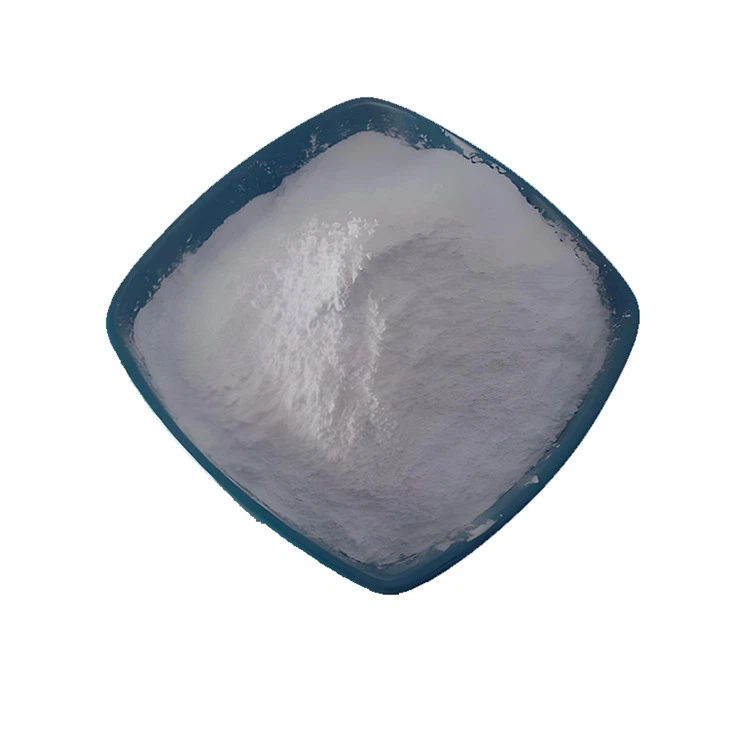
- Aluminum Hydroxide for Composite Insulator
- Aluminum Hydroxide for Artificial Stone
- Aluminum Hydroxide for Rubber
Contact for Purchase and Discussion
If you're interested in using Aluminum Hydroxide Filler for your textile production or any other applications, I'd love to have a chat with you. Whether you have questions about the product, need advice on the right concentration for your specific needs, or want to discuss pricing and delivery, don't hesitate to reach out. We're here to help you make the most of this amazing product.
References
- Smith, J. (2020). "The Impact of Inorganic Fillers on Textile Properties." Journal of Textile Science.
- Brown, A. (2019). "Flame - Retardant Textiles: The Role of Aluminum Hydroxide." Textile Research Journal.


