


Aluminium hydroxide is a versatile chemical compound with a wide range of applications in various industries. As a leading aluminium hydroxide supplier, I often encounter inquiries about the differences between natural and synthetic aluminium hydroxide. In this blog post, I will delve into the characteristics, production processes, and applications of both types to help you make an informed decision when choosing the right aluminium hydroxide for your specific needs.
Composition and Chemical Structure
Both natural and synthetic aluminium hydroxide share the same chemical formula, Al(OH)₃, but they differ in their origin and purity. Natural aluminium hydroxide is typically found in bauxite ores, which are mined from the earth's crust. Bauxite is a sedimentary rock consisting mainly of aluminium hydroxide minerals, such as gibbsite, boehmite, and diaspore. These minerals are formed through the weathering and erosion of aluminium-rich rocks over millions of years.
On the other hand, synthetic aluminium hydroxide is produced through a chemical process. One of the most common methods is the Bayer process, which involves the extraction of alumina (Al₂O₃) from bauxite ore and subsequent precipitation of aluminium hydroxide. The Bayer process is a highly controlled industrial process that allows for the production of high-purity aluminium hydroxide with a consistent chemical composition and particle size distribution.
Physical Properties
The physical properties of natural and synthetic aluminium hydroxide can vary significantly, depending on their origin and production method. Natural aluminium hydroxide is often contaminated with other minerals and impurities, such as iron oxides, silica, and titanium dioxide. These impurities can affect the colour, brightness, and purity of the final product, making it less suitable for applications that require high-quality aluminium hydroxide.
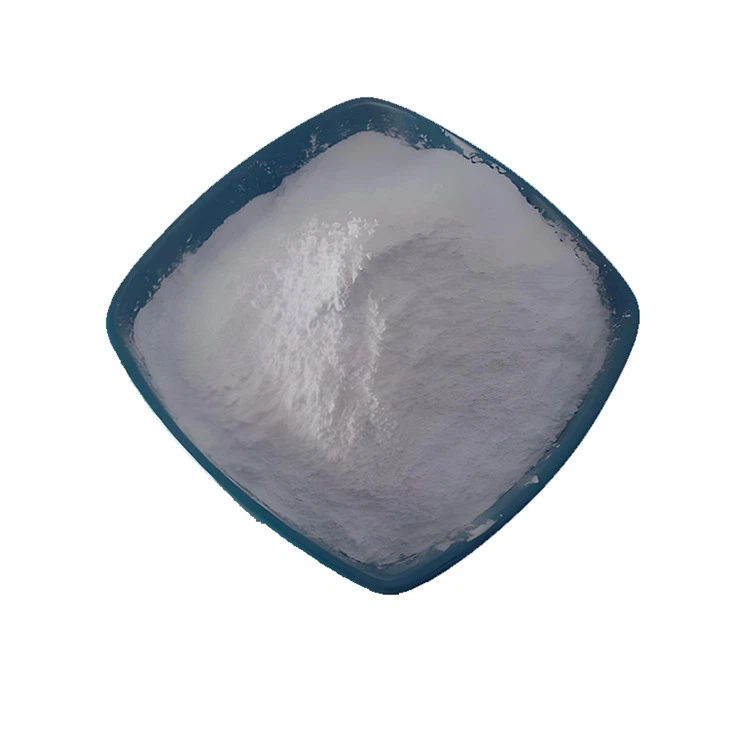
In contrast, synthetic aluminium hydroxide is generally purer and more consistent in terms of its physical properties. It has a higher brightness, lower colour value, and better whiteness compared to natural aluminium hydroxide. Synthetic aluminium hydroxide also has a more uniform particle size distribution, which makes it easier to disperse in various matrices and improves its performance in applications such as flame retardancy and reinforcement.
Production Process
The production process of natural and synthetic aluminium hydroxide is fundamentally different. Natural aluminium hydroxide is obtained through mining and beneficiation processes. Bauxite ore is first mined from the ground and then crushed, ground, and purified to remove impurities. The resulting product is a crude aluminium hydroxide that may require further processing to meet the specific requirements of different applications.
Synthetic aluminium hydroxide, on the other hand, is produced through a chemical synthesis process. The Bayer process, which is the most widely used method for producing synthetic aluminium hydroxide, involves several steps. First, bauxite ore is dissolved in hot sodium hydroxide solution to form sodium aluminate. The sodium aluminate solution is then filtered to remove insoluble impurities and cool to precipitate aluminium hydroxide crystals. The aluminium hydroxide crystals are then washed, dried, and calcined to produce alumina, which can be further processed to obtain synthetic aluminium hydroxide.
Applications
Both natural and synthetic aluminium hydroxide have a wide range of applications in various industries. However, their specific applications may differ based on their properties and purity.
- Flame Retardant Applications: Aluminium hydroxide is a widely used flame retardant in the plastics, rubber, and textile industries. Aluminum Hydroxide Flame Retardant It decomposes endothermically at high temperatures, releasing water vapor and absorbing heat, which helps to prevent the spread of fire. Synthetic aluminium hydroxide is often preferred for flame retardant applications due to its high purity, uniform particle size distribution, and consistent performance.
- Cable Industry: In the cable industry, aluminium hydroxide is used as a filler and flame retardant additive. Aluminum Hydroxide for Cable It helps to improve the mechanical properties, electrical insulation, and flame retardancy of cables. Synthetic aluminium hydroxide is commonly used in high-performance cables due to its better dispersion and compatibility with polymer matrices.
- Composite Insulator Industry: Aluminium hydroxide is also used in the production of composite insulators for electrical power transmission. Aluminum Hydroxide for Composite Insulator It provides insulation, mechanical strength, and flame retardancy to the insulators. Synthetic aluminium hydroxide is preferred in this application for its high purity and consistent quality.
- Artificial Stone Industry: In the artificial stone industry, aluminium hydroxide is used as a filler to improve the mechanical properties, appearance, and fire resistance of artificial stones. Aluminum Hydroxide for Artificial Stone Natural aluminium hydroxide is often used in this application due to its lower cost, although synthetic aluminium hydroxide may be preferred for high-end products that require better performance and appearance.
- Rubber Industry: Aluminium hydroxide is used as a filler and flame retardant in the rubber industry. Aluminum Hydroxide for Rubber It helps to improve the mechanical properties, abrasion resistance, and flame retardancy of rubber products. Synthetic aluminium hydroxide is commonly used in high-performance rubber applications due to its better dispersion and compatibility with rubber matrices.
Cost and Availability
The cost and availability of natural and synthetic aluminium hydroxide can vary depending on several factors, such as raw material prices, production costs, and market demand. Natural aluminium hydroxide is generally less expensive than synthetic aluminium hydroxide due to its lower production costs. However, its availability may be limited by the availability of bauxite ore and the mining capacity of bauxite mines.
Synthetic aluminium hydroxide is more expensive than natural aluminium hydroxide due to the higher cost of raw materials and the complex production process. However, it is generally more readily available and can be produced in large quantities to meet the growing demand from various industries.

Conclusion
In conclusion, both natural and synthetic aluminium hydroxide have their own advantages and disadvantages. Natural aluminium hydroxide is less expensive and more readily available, but it may contain impurities and have inconsistent physical properties. Synthetic aluminium hydroxide, on the other hand, is more expensive but offers higher purity, better performance, and more consistent quality.
When choosing between natural and synthetic aluminium hydroxide, it is important to consider your specific application requirements, budget, and availability. If you require high-quality aluminium hydroxide for applications such as flame retardancy, electrical insulation, or high-performance composites, synthetic aluminium hydroxide may be the better choice. However, if cost is a major concern and your application can tolerate some impurities, natural aluminium hydroxide may be a suitable option.
As an aluminium hydroxide supplier, I can provide you with high-quality natural and synthetic aluminium hydroxide products to meet your specific needs. If you are interested in learning more about our products or would like to discuss your requirements, please feel free to contact us for further information and procurement discussions.
References
- Handbook of Aluminium Compounds, Second Edition. CRC Press.
- Chemistry and Technology of Aluminium Compounds. Wiley-VCH.
- Aluminium Hydroxide: Properties, Production, and Applications. Elsevier.


