


Hey there! As a supplier of Brown Fused Alumina, I know how crucial it is to ensure the quality of this product. In this blog post, I'll share with you how to test the quality of Brown Fused Alumina in the laboratory.
1. Physical Appearance Inspection
The first step in testing Brown Fused Alumina is to take a good look at its physical appearance. Use a magnifying glass to check for any visible impurities, cracks, or irregularities in the particles. High - quality Brown Fused Alumina should have a uniform color and shape. Usually, it has a brownish - red color, and the particles should be well - formed, without excessive dust or broken pieces.

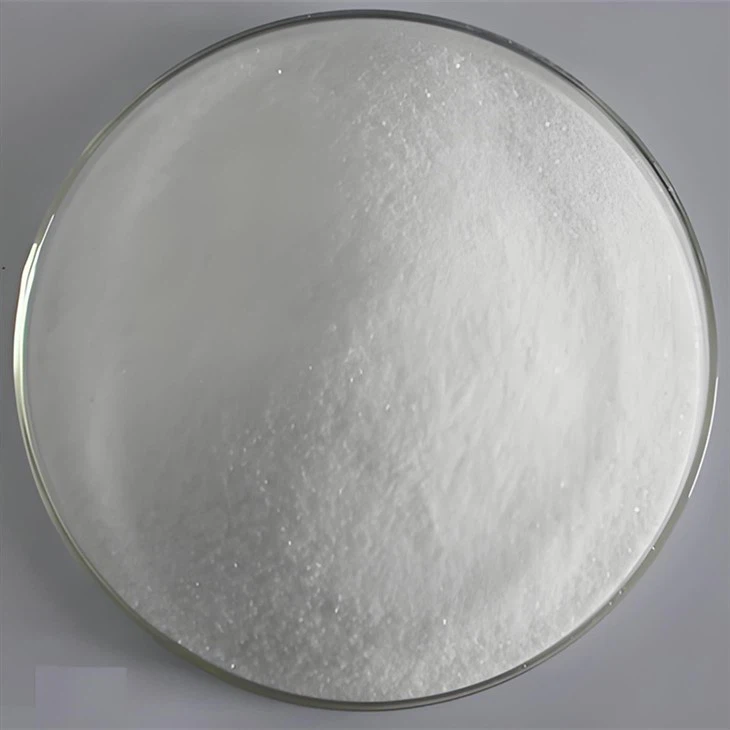
The size distribution of the particles also matters a great deal. You can use a sieve shaker to separate the particles into different size fractions. By comparing the results with the standard size requirements, you can determine if the size distribution of your Brown Fused Alumina meets the specifications. For example, if you're supplying Brown Fused Alumina for a specific abrasive application, the size of the particles should be within a certain range to ensure optimal performance.
2. Chemical Composition Analysis
Chemical composition is a key factor in determining the quality of Brown Fused Alumina. One of the most common methods for chemical analysis is X - Ray Fluorescence (XRF). This technique can quickly and accurately identify the elemental composition of the sample.
For Brown Fused Alumina, the main component is aluminum oxide (Al₂O₃). High - quality Brown Fused Alumina typically contains a high percentage of Al₂O₃, usually above 90%. You also need to check for other elements like silicon dioxide (SiO₂), titanium dioxide (TiO₂), and iron oxide (Fe₂O₃). These impurities can affect the performance of the Brown Fused Alumina in different applications. For instance, a high iron oxide content can reduce the hardness and wear resistance of the abrasive.
Another method for chemical analysis is wet chemical analysis. This involves dissolving the sample in appropriate reagents and then measuring the concentration of different elements through titration or other chemical reactions. Although wet chemical analysis is more time - consuming than XRF, it can provide more accurate results, especially for low - concentration elements.
3. Hardness Testing
Hardness is an important property of Brown Fused Alumina, especially when it's used as an abrasive. One of the most commonly used methods for hardness testing is the Mohs hardness scale. In a laboratory setting, you can use a hardness tester to measure the hardness of the Brown Fused Alumina particles.
The Knoop or Vickers hardness testing methods can also be used for more precise hardness measurements. These methods involve applying a specific load to the sample using a small indenter and then measuring the size of the indentation. A higher hardness value indicates better abrasion resistance of the Brown Fused Alumina.
4. Density Measurement
The density of Brown Fused Alumina can also indicate its quality. A simple method for measuring density is the pycnometer method. First, weigh the empty pycnometer. Then, fill it with a known mass of the Brown Fused Alumina sample and weigh it again. Next, fill the pycnometer with a liquid (usually water) and measure the total mass. By using the appropriate formula, you can calculate the density of the Brown Fused Alumina.
A change in density can be due to variations in the chemical composition or the presence of voids or pores in the particles. A higher density generally means a more compact and high - quality product.
5. Friability Test
Friability refers to the tendency of the Brown Fused Alumina particles to break down under stress. To perform a friability test, you can use a friability tester. Place a known mass of the sample in the tester and subject it to a specific number of rotations or impacts. After the test, sieve the sample to separate the broken particles from the intact ones.
By measuring the mass loss, you can calculate the friability of the Brown Fused Alumina. A lower friability value indicates that the particles are more resistant to breaking, which is desirable in many applications, such as in grinding wheels where the abrasive particles need to maintain their shape and integrity during the grinding process.
Why Quality Testing is So Important
As a Brown Fused Alumina supplier, I can tell you that quality testing is not just a formality. It ensures that our products meet the needs and expectations of our customers. For example, if you're using Brown Fused Alumina in the manufacturing of Tabular Alumina, the quality of the Brown Fused Alumina will directly affect the quality of the final Tabular Alumina product.
Similarly, in applications where high - precision grinding is required, using low - quality Brown Fused Alumina can lead to poor surface finishes, increased tool wear, and reduced productivity. By conducting thorough quality tests in the laboratory, we can guarantee that our Brown Fused Alumina meets the highest standards.
Comparing with Other Types of Alumina
It's also interesting to compare Brown Fused Alumina with other types of alumina, such as White Fused Alumina. White Fused Alumina has a higher purity and a different crystal structure compared to Brown Fused Alumina. In laboratory tests, White Fused Alumina often shows higher hardness and lower friability. However, Brown Fused Alumina is more cost - effective and has better thermal conductivity, which makes it a popular choice in many industrial applications.
Final Thoughts and Call to Action
Testing the quality of Brown Fused Alumina in the laboratory is a multi - step process that requires attention to detail and the use of appropriate testing methods. By ensuring the quality of our Brown Fused Alumina, we can provide our customers with products that deliver excellent performance.
If you're in the market for high - quality Brown Fused Alumina or have any questions about our testing procedures, feel free to reach out. We're always happy to discuss your specific needs and help you find the right solution for your applications.
References
- ASTM International standards for abrasive products
- Handbook of Abrasive Technology, edited by Ramesh Singh


