


How does Aluminum Hydroxide Filler affect the chemical resistance of polymers?
As a supplier of Aluminum Hydroxide Filler, I've witnessed firsthand the transformative impact this remarkable material can have on polymers. In this blog post, we'll explore how Aluminum Hydroxide Filler influences the chemical resistance of polymers, delving into the science behind it and highlighting its practical applications.
Understanding Aluminum Hydroxide Filler
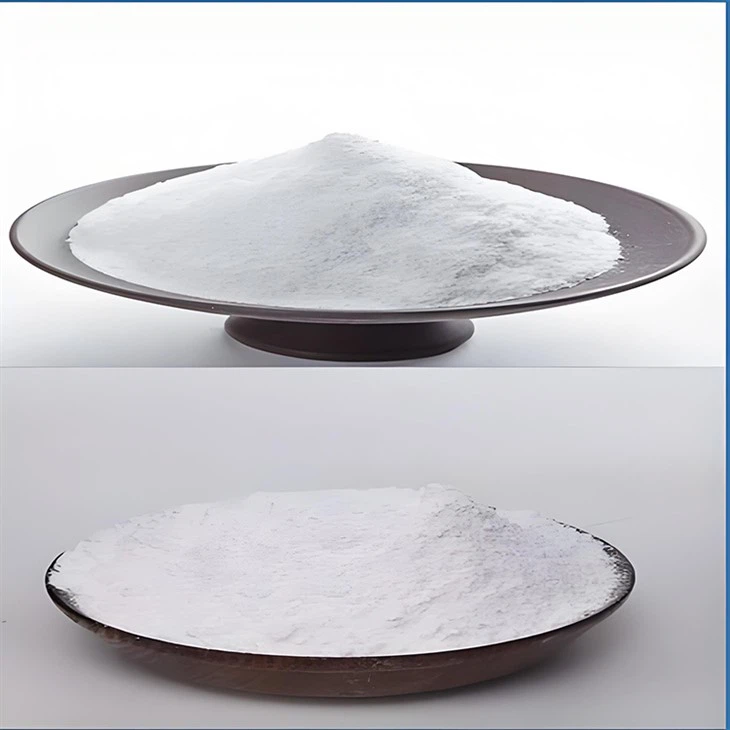
Aluminum Hydroxide, also known as alumina trihydrate (ATH), is a white, odorless powder that is widely used as a filler in various polymer applications. It is derived from bauxite ore through a refining process and is known for its excellent flame retardant properties, low cost, and environmental friendliness.
One of the key advantages of Aluminum Hydroxide Filler is its ability to improve the mechanical, thermal, and chemical properties of polymers. When added to a polymer matrix, it acts as a reinforcing agent, enhancing the strength, stiffness, and dimensional stability of the material. Additionally, it can improve the flame retardancy, smoke suppression, and electrical insulation properties of polymers, making them suitable for a wide range of applications.
How Aluminum Hydroxide Filler Affects Chemical Resistance
Chemical resistance is an important property of polymers, especially in applications where they are exposed to harsh chemicals or environments. The addition of Aluminum Hydroxide Filler can significantly improve the chemical resistance of polymers by several mechanisms:
1. Barrier Effect
Aluminum Hydroxide Filler particles can act as a physical barrier, preventing the penetration of chemicals into the polymer matrix. When a polymer is exposed to a chemical, the filler particles can block the diffusion pathways, reducing the rate of chemical attack and protecting the polymer from degradation. This barrier effect is particularly effective against polar solvents, acids, and bases.
2. Chemical Inertness
Aluminum Hydroxide is a chemically inert material, meaning it does not react with most chemicals under normal conditions. When added to a polymer, it can act as a sacrificial layer, protecting the polymer from chemical attack by reacting with the chemicals instead. This can help to extend the lifespan of the polymer and improve its performance in harsh environments.
3. Crosslinking and Reinforcement
The addition of Aluminum Hydroxide Filler can also promote crosslinking and reinforcement of the polymer matrix, which can improve its chemical resistance. Crosslinking is a process in which polymer chains are chemically bonded together, forming a three-dimensional network structure. This network structure can make the polymer more resistant to chemical attack by preventing the movement of polymer chains and reducing the diffusion of chemicals into the matrix. Reinforcement, on the other hand, can improve the mechanical properties of the polymer, making it more resistant to deformation and cracking under chemical stress.
Applications of Aluminum Hydroxide Filler in Polymer Composites
The improved chemical resistance of polymers filled with Aluminum Hydroxide Filler makes them suitable for a wide range of applications in various industries. Some of the common applications include:
1. Rubber Industry
In the rubber industry, Aluminum Hydroxide Filler is widely used as a flame retardant and reinforcing filler. It can improve the chemical resistance of rubber compounds, making them suitable for applications in harsh environments, such as automotive seals, gaskets, and hoses. Aluminum Hydroxide for Rubber is specifically formulated to meet the requirements of the rubber industry, providing excellent flame retardancy, mechanical properties, and chemical resistance.

2. Cable Industry
In the cable industry, Aluminum Hydroxide Filler is used as a flame retardant and smoke suppressant in cable insulation and jacketing materials. It can improve the chemical resistance of cables, protecting them from damage caused by moisture, chemicals, and environmental factors. Aluminum Hydroxide for Cable is designed to provide excellent flame retardancy, electrical insulation, and chemical resistance, ensuring the safety and reliability of cables in various applications.
3. Artificial Stone Industry
In the artificial stone industry, Aluminum Hydroxide Filler is used as a filler and flame retardant in the production of artificial marble and quartz countertops. It can improve the chemical resistance of artificial stone products, making them resistant to stains, scratches, and chemical damage. Aluminum Hydroxide for Artificial Stone is formulated to provide high whiteness, low viscosity, and excellent mechanical properties, ensuring the quality and durability of artificial stone products.
Conclusion
In conclusion, Aluminum Hydroxide Filler is a versatile and effective additive that can significantly improve the chemical resistance of polymers. By acting as a physical barrier, providing chemical inertness, and promoting crosslinking and reinforcement, it can protect polymers from chemical attack and extend their lifespan. The improved chemical resistance of polymers filled with Aluminum Hydroxide Filler makes them suitable for a wide range of applications in various industries, including rubber, cable, and artificial stone.
If you're interested in learning more about how Aluminum Hydroxide Filler can improve the chemical resistance of your polymer products, or if you're looking for a reliable supplier of Aluminum Hydroxide Filler, please don't hesitate to contact us. We'd be happy to discuss your specific requirements and provide you with the best solutions for your needs.
References
- "Aluminum Hydroxide: Properties, Applications, and Market Trends." Chemical Market Reporter, 2023.
- "Polymer Composites Filled with Aluminum Hydroxide: A Review." Journal of Composite Materials, 2022.
- "Flame Retardant Polymers: Principles and Applications." CRC Press, 2021.


