


Hey there! As a supplier of Brown Fused Alumina, I often get asked about all sorts of technical details regarding this awesome product. One question that pops up quite a bit is, "What is the melting point of Brown Fused Alumina?" Well, let's dive right into it and explore this topic in a bit more depth.
First off, let me give you a quick rundown on what Brown Fused Alumina is. It's a high - quality abrasive material that's widely used in various industries. It's made by fusing bauxite, anthracite, and iron filings in an electric arc furnace at extremely high temperatures. The result is a tough, durable, and versatile material that can be used for grinding, polishing, sandblasting, and a whole bunch of other applications.
Now, to answer the big question: the melting point of Brown Fused Alumina is typically around 2050°C (3722°F). This high melting point is one of the reasons why it's so great for industrial applications. When you're working in an environment where there's a lot of heat generated, like in high - speed grinding operations, you need a material that can withstand those temperatures without losing its properties. Brown Fused Alumina fits the bill perfectly.
The high melting point also makes it suitable for use in refractory applications. Refractories are materials that can withstand high temperatures and are used in things like furnaces, kilns, and other heat - intensive industrial equipment. Brown Fused Alumina can be used to make refractory bricks, linings, and other components that need to stand up to extreme heat.
One of the things that affects the melting point of Brown Fused Alumina is its chemical composition. Brown Fused Alumina is mainly composed of aluminum oxide (Al₂O₃), but it also contains small amounts of other elements like silicon dioxide (SiO₂), titanium dioxide (TiO₂), and iron oxide (Fe₂O₃). The exact proportions of these elements can vary depending on the source of the raw materials and the manufacturing process. Generally, a higher percentage of aluminum oxide will result in a higher melting point.
Let's compare Brown Fused Alumina with some other types of alumina abrasives. For example, Tabular Alumina has a slightly different structure and properties. Tabular Alumina is made by calcining high - purity alumina at very high temperatures, which gives it a more stable crystal structure. Its melting point is also quite high, usually around 2072°C (3762°F). While the difference in melting points might seem small, it can make a big difference in certain applications.
Another type of alumina is Pink Fused Alumina. Pink Fused Alumina is made by adding small amounts of chromium oxide to the melt during the manufacturing process. This gives it a pink color and also enhances its hardness and toughness. Its melting point is similar to that of Brown Fused Alumina, but its other properties make it more suitable for specific applications, like precision grinding.

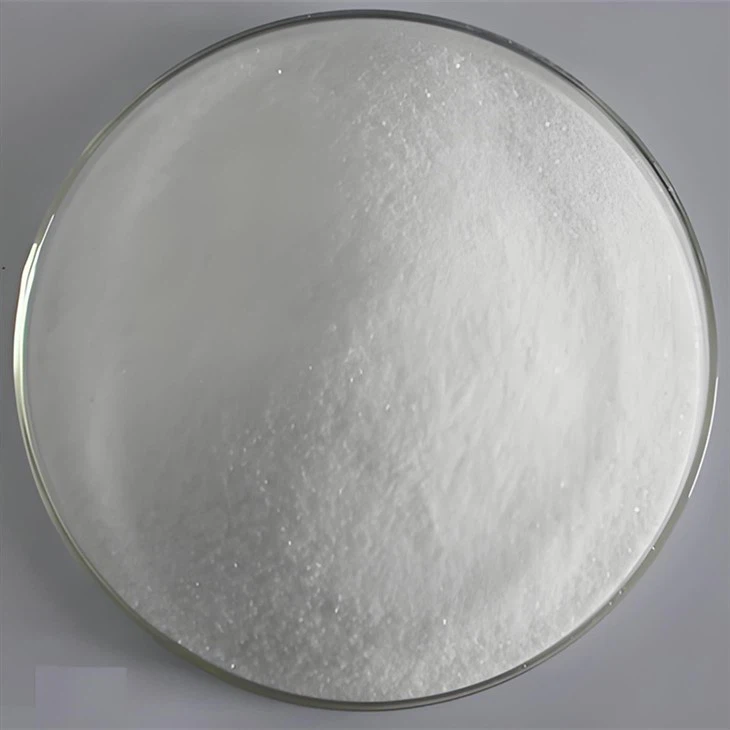
White Fused Alumina is yet another option. It's made from high - purity aluminum oxide and has a very white color. It's known for its high purity and excellent abrasive properties. The melting point of White Fused Alumina is around 2050 - 2070°C (3722 - 3758°F), which is in the same ballpark as Brown Fused Alumina. However, its high purity makes it ideal for applications where contamination is a concern, like in the electronics industry.
When it comes to using Brown Fused Alumina, its high melting point is just one of the many advantages. It also has excellent hardness, good fracture toughness, and a relatively low cost compared to some other abrasives. These properties make it a popular choice in a wide range of industries, including automotive, aerospace, metalworking, and construction.
In the automotive industry, Brown Fused Alumina is used for grinding and polishing engine components, gears, and other parts. The high melting point ensures that the abrasive can withstand the heat generated during the grinding process without breaking down or losing its cutting ability. In the aerospace industry, it's used for surface finishing of aircraft parts, where precision and durability are crucial.
In the metalworking industry, Brown Fused Alumina is used for a variety of tasks, such as deburring, descaling, and surface preparation. Its ability to withstand high temperatures makes it suitable for use in high - speed machining operations, where there's a lot of heat and friction. In the construction industry, it can be used for sandblasting concrete surfaces to remove old paint, coatings, or dirt.
As a supplier of Brown Fused Alumina, I understand the importance of providing high - quality products that meet the specific needs of my customers. Whether you're looking for a material for a small - scale DIY project or a large - scale industrial application, I can offer you the right grade and particle size of Brown Fused Alumina.
If you're in the market for Brown Fused Alumina or have any questions about its properties, applications, or melting point, I'd love to hear from you. Feel free to reach out and we can have a chat about how I can help you with your abrasive needs. Whether you're a manufacturer, a contractor, or a hobbyist, I'm here to provide you with the best possible service and products.
In conclusion, the melting point of Brown Fused Alumina is an important property that contributes to its versatility and usefulness in a wide range of industries. Its high melting point, combined with its other excellent properties, makes it a top choice for many abrasive applications. So, if you're looking for a reliable and cost - effective abrasive material, Brown Fused Alumina might just be the answer.
References:
- "Abrasives Handbook" - A comprehensive guide on different types of abrasives and their properties.
- Industry research reports on the production and application of Brown Fused Alumina.


