


Hey there! As a supplier of Tabular Alumina, I often get asked about its adsorption properties. So, I thought I'd share some insights on this topic.
What is Tabular Alumina?
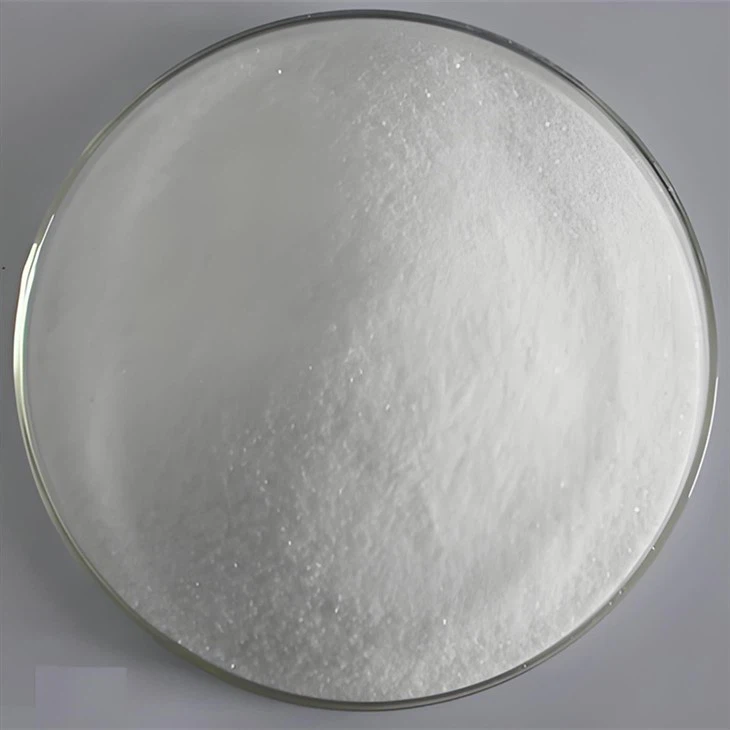
Before diving into its adsorption properties, let's quickly go over what tabular alumina is. Tabular alumina is a high - purity form of aluminum oxide (Al₂O₃). It's made by sintering calcined alumina at extremely high temperatures, usually above 1800°C. This process gives tabular alumina its unique crystalline structure, which is different from other types of alumina like Brown Fused Alumina and White Fused Alumina.
Adsorption Basics
Adsorption is a process where molecules from a gas, liquid, or dissolved solid adhere to the surface of a solid or liquid. There are two main types of adsorption: physical adsorption (physisorption) and chemical adsorption (chemisorption).
Physical adsorption is a relatively weak interaction between the adsorbate (the molecule being adsorbed) and the adsorbent (the material doing the adsorbing). It's mainly due to van der Waals forces. Chemical adsorption, on the other hand, involves the formation of chemical bonds between the adsorbate and the adsorbent, which is a stronger and more specific interaction.
Adsorption Properties of Tabular Alumina
Surface Area
One of the key factors affecting adsorption is the surface area of the adsorbent. Tabular alumina has a relatively large surface area, especially when it's in a finely - divided form. The high - temperature sintering process creates a porous structure with a network of small pores and channels. These pores increase the available surface area for adsorption. For example, in some applications where tabular alumina is used as a catalyst support, the large surface area allows for a greater amount of the active catalyst material to be dispersed on its surface.
Porosity
The porosity of tabular alumina plays a crucial role in its adsorption properties. The pores in tabular alumina can have different sizes, ranging from micropores (less than 2 nm in diameter) to mesopores (2 - 50 nm) and macropores (greater than 50 nm). Micropores are especially important for the adsorption of small molecules, as they can provide a high - affinity binding site. Mesopores are useful for the adsorption of larger molecules and for facilitating the diffusion of adsorbates into the interior of the material. Macropores, on the other hand, help with the overall mass transfer of the adsorbate to the internal pores.
Surface Chemistry
The surface of tabular alumina has a certain chemical nature that affects adsorption. It has hydroxyl groups (-OH) on its surface, which can participate in both physical and chemical adsorption. For example, in the adsorption of polar molecules, the hydroxyl groups can form hydrogen bonds with the adsorbate, leading to enhanced adsorption. In some cases, the surface of tabular alumina can be modified to change its chemical properties and improve its adsorption selectivity. For instance, by adding certain metal oxides or other functional groups to the surface, we can make tabular alumina more selective towards specific types of adsorbates.
Adsorption Selectivity
Tabular alumina can show selectivity in its adsorption behavior. This means that it can preferentially adsorb certain types of molecules over others. The selectivity is mainly determined by the size and shape of the pores, as well as the surface chemistry. For example, tabular alumina with a specific pore size distribution may be more effective at adsorbing molecules of a particular size range. And if the surface is modified to have a certain charge or functional groups, it can attract molecules with complementary properties.
Applications Based on Adsorption Properties
Catalyst Support
As mentioned earlier, tabular alumina's adsorption properties make it an excellent catalyst support. In catalytic reactions, the active catalyst species are adsorbed onto the surface of tabular alumina. The large surface area and porosity allow for a high dispersion of the catalyst, which increases the catalytic activity. For example, in the petroleum refining industry, tabular alumina - supported catalysts are used for various processes such as hydrocracking and reforming.
Gas Adsorption
Tabular alumina can be used for gas adsorption applications. It can adsorb gases like water vapor, carbon dioxide, and some volatile organic compounds (VOCs). In air purification systems, tabular alumina can be used to remove moisture and harmful gases from the air. The adsorption of water vapor is particularly important in applications where a dry environment is required, such as in the storage of sensitive electronic components.

Liquid Adsorption
In the liquid phase, tabular alumina can adsorb various solutes. For example, in the treatment of wastewater, it can be used to adsorb heavy metal ions, dyes, and other pollutants. The adsorption of heavy metal ions is based on the chemical interaction between the metal ions and the surface functional groups of tabular alumina.
Comparison with Other Alumina Types
Compared to Brown Fused Alumina and White Fused Alumina, tabular alumina generally has better adsorption properties. Brown fused alumina is mainly used for abrasive applications due to its high hardness and toughness, and it has a relatively lower surface area and porosity compared to tabular alumina. White fused alumina also has different physical and chemical properties, and its adsorption performance is not as good as tabular alumina in many cases.
Factors Affecting Adsorption Capacity
The adsorption capacity of tabular alumina can be affected by several factors. Temperature is one of the important factors. In general, physical adsorption decreases with increasing temperature, while chemical adsorption may increase or decrease depending on the nature of the reaction. The pressure also affects gas adsorption, with higher pressures usually leading to higher adsorption capacities. The concentration of the adsorbate in the gas or liquid phase also plays a role. Higher concentrations generally result in higher adsorption amounts until the adsorption sites on the tabular alumina are saturated.
Conclusion
In conclusion, tabular alumina has some really interesting adsorption properties. Its large surface area, porosity, and unique surface chemistry make it suitable for a wide range of adsorption - based applications. Whether it's used as a catalyst support, for gas or liquid adsorption, tabular alumina can offer effective solutions.
If you're interested in using tabular alumina for your specific application, I'd love to have a chat with you. You can check out more details about our Tabular Alumina on our website. We can discuss your requirements and see how our high - quality tabular alumina can meet your needs. Don't hesitate to reach out if you have any questions or want to start a procurement discussion.
References
- Satterfield, C. N. (1991). Heterogeneous Catalysis in Industrial Practice. McGraw - Hill.
- Rouquerol, F., Rouquerol, J., & Sing, K. (1999). Adsorption by Powders and Porous Solids: Principles, Methodology and Applications. Academic Press.


