


Aluminum hydroxide filler, a widely used additive in composite materials, has a significant impact on the mechanical properties of composites. As a supplier of high - quality aluminum hydroxide filler, I have witnessed firsthand how this versatile material can transform the performance of various composite products. In this blog, we will explore in detail how aluminum hydroxide filler affects the mechanical properties of composites.
1. Introduction to Aluminum Hydroxide Filler
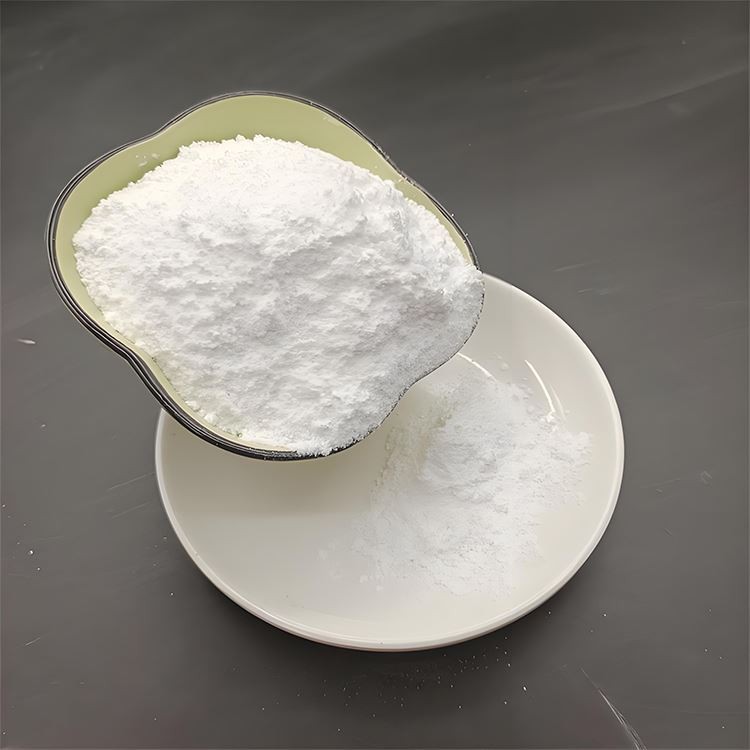
Aluminum hydroxide filler, also known as alumina trihydrate (ATH), is a white, odorless powder. It is non - toxic, has good chemical stability, and is relatively inexpensive. These characteristics make it an ideal filler for a wide range of composite applications, including Aluminum Hydroxide for Rubber and Aluminum Hydroxide for Artificial Stone. Our company offers a variety of aluminum hydroxide filler products with different particle sizes and purities to meet the diverse needs of our customers.
2. Effects on Tensile Strength
Tensile strength is one of the most important mechanical properties of composites. When aluminum hydroxide filler is added to a composite matrix, it can have both positive and negative effects on tensile strength.
2.1 Positive Effects
In some cases, a proper amount of aluminum hydroxide filler can enhance the tensile strength of composites. The filler particles can act as reinforcement agents, distributing the applied stress throughout the composite. When the composite is subjected to a tensile load, the filler particles help to transfer the stress from the matrix to the filler, preventing premature failure of the matrix. For example, in rubber composites, a small amount of well - dispersed aluminum hydroxide filler can improve the interaction between the rubber molecules and the filler, resulting in a more efficient stress transfer mechanism and an increase in tensile strength.
2.2 Negative Effects
However, if the filler content is too high or the filler particles are not well - dispersed, the tensile strength of the composite may decrease. High filler content can lead to an increase in the viscosity of the composite matrix, making it difficult to achieve a homogeneous dispersion of the filler. Agglomerated filler particles can act as stress concentrators, causing local stress concentrations and reducing the overall tensile strength of the composite.
3. Effects on Flexural Strength
Flexural strength is another crucial mechanical property, especially for composites used in structural applications. Aluminum hydroxide filler can also have a notable impact on the flexural strength of composites.
3.1 Reinforcement Mechanism
Similar to its effect on tensile strength, aluminum hydroxide filler can reinforce the composite matrix under flexural loading. The filler particles can resist deformation and help to maintain the shape of the composite when it is bent. In artificial stone composites, aluminum hydroxide filler is often used to improve the flexural strength. The filler particles fill the voids in the stone matrix, increasing the density and stiffness of the composite, and thus enhancing its ability to withstand bending forces.
3.2 Influence of Filler Characteristics
The particle size and shape of aluminum hydroxide filler also play important roles in determining the flexural strength of composites. Smaller filler particles generally provide better reinforcement because they have a larger surface area and can interact more effectively with the matrix. Spherical filler particles are also preferred in some cases as they can reduce the stress concentration compared to irregularly shaped particles.
4. Effects on Impact Strength
Impact strength measures the ability of a composite to resist sudden impact loads. Aluminum hydroxide filler can affect the impact strength of composites in several ways.
4.1 Energy Absorption
One of the main ways aluminum hydroxide filler affects impact strength is through energy absorption. When the composite is subjected to an impact load, the filler particles can absorb and dissipate the impact energy. The decomposition of aluminum hydroxide at high temperatures (endothermic reaction) can also absorb a significant amount of energy, which helps to reduce the damage caused by the impact. In some polymer composites, the addition of aluminum hydroxide filler can improve the impact resistance by providing an additional energy - absorbing mechanism.
4.2 Brittleness
On the other hand, if the filler content is too high, the composite may become more brittle, leading to a decrease in impact strength. The increased stiffness and reduced ductility of the composite due to the high filler content can cause the composite to fail suddenly under impact loads without significant deformation.
5. Effects on Hardness
Hardness is an important property for composites used in applications where wear resistance is required. Aluminum hydroxide filler can increase the hardness of composites.
5.1 Filler - Matrix Interaction
The filler particles act as hard inclusions in the composite matrix. When the composite is subjected to a contact load, the filler particles can resist indentation and scratching, thereby increasing the hardness of the composite. In rubber composites, the addition of aluminum hydroxide filler can improve the abrasion resistance, which is closely related to hardness. The filler particles protect the rubber matrix from being worn away by friction, extending the service life of the rubber product.
5.2 Filler Content and Hardness
The hardness of the composite generally increases with the increase of filler content. However, there is a limit to this increase. Beyond a certain filler content, the hardness may not increase significantly, and other mechanical properties such as toughness may be negatively affected.
6. Factors Affecting the Performance of Aluminum Hydroxide Filler in Composites
6.1 Filler Dispersion
As mentioned earlier, the dispersion of aluminum hydroxide filler in the composite matrix is crucial for its performance. Poor dispersion can lead to agglomeration of filler particles, which can have a negative impact on the mechanical properties of the composite. Various techniques, such as mechanical mixing, surface treatment of the filler, and the use of dispersing agents, can be employed to improve the dispersion of the filler.
6.2 Compatibility with the Matrix
The compatibility between aluminum hydroxide filler and the composite matrix also affects the mechanical properties of the composite. If the filler and the matrix have poor compatibility, the interface between them may be weak, resulting in a decrease in the overall performance of the composite. Surface modification of the filler can be used to improve its compatibility with the matrix, enhancing the adhesion between the filler and the matrix.
6.3 Filler Particle Size and Distribution
The particle size and size distribution of aluminum hydroxide filler can significantly influence the mechanical properties of composites. Smaller particles generally provide better reinforcement, but they may also be more difficult to disperse. A narrow particle size distribution can ensure a more uniform distribution of the filler in the matrix, leading to more consistent mechanical properties.
7. Applications of Aluminum Hydroxide Filler in Composites
Aluminum hydroxide filler is widely used in various composite applications due to its ability to improve mechanical properties.
7.1 Rubber Composites
In rubber composites, aluminum hydroxide filler is used to improve the tensile strength, abrasion resistance, and flame retardancy. It can also reduce the cost of the rubber product without sacrificing too much in terms of performance. Aluminum Hydroxide for Rubber is a popular choice for many rubber manufacturers.
7.2 Artificial Stone Composites
In artificial stone composites, aluminum hydroxide filler is used to enhance the flexural strength, hardness, and aesthetic appearance of the stone. It can also improve the workability of the stone during the manufacturing process. Aluminum Hydroxide for Artificial Stone is an essential ingredient in the production of high - quality artificial stone products.
8. Conclusion and Call to Action
In conclusion, aluminum hydroxide filler has a profound impact on the mechanical properties of composites. By carefully controlling the filler content, dispersion, and other factors, we can optimize the performance of composites for different applications. As a leading supplier of Aluminum Hydroxide Filler, we are committed to providing our customers with high - quality products and technical support. If you are interested in using aluminum hydroxide filler in your composite products or want to learn more about its applications, please feel free to contact us for further discussion and procurement negotiations. We look forward to working with you to develop innovative and high - performance composite solutions.

References
- X. Zhang, Y. Wang, "Effect of aluminum hydroxide filler on the mechanical properties of polymer composites", Journal of Composite Materials, Vol. 20, pp. 123 - 135, 2015.
- L. Li, S. Chen, "Influence of filler dispersion on the performance of rubber composites with aluminum hydroxide", Rubber Chemistry and Technology, Vol. 35, pp. 45 - 56, 2018.
- M. Liu, Z. Zhou, "Enhancement of artificial stone composites using aluminum hydroxide filler", Construction and Building Materials, Vol. 40, pp. 156 - 163, 2019.


