


What is the Thermal Expansion Coefficient of Pink Fused Alumina?
As a supplier of Pink Fused Alumina, I often encounter inquiries from customers about its various properties, and one question that comes up quite frequently is about its thermal expansion coefficient. In this blog post, I'll delve into what the thermal expansion coefficient of Pink Fused Alumina is, why it matters, and how it compares to other related materials.
Understanding Thermal Expansion Coefficient
Before we specifically discuss Pink Fused Alumina, let's first understand what the thermal expansion coefficient means. The thermal expansion coefficient is a measure of how much a material expands or contracts when its temperature changes. It is usually expressed as the fractional change in length or volume per unit change in temperature. There are two main types: the linear thermal expansion coefficient (CTE), which measures the change in length, and the volumetric thermal expansion coefficient, which measures the change in volume.
For most materials, when heated, their atoms or molecules gain energy and start to vibrate more vigorously, causing the material to expand. Conversely, when cooled, the material contracts. The thermal expansion coefficient helps engineers and scientists predict how a material will behave under different temperature conditions, which is crucial in many applications, such as in the design of machinery, electronics, and construction materials.
Thermal Expansion Coefficient of Pink Fused Alumina
Pink Fused Alumina is a high - quality abrasive material produced by fusing high - purity alumina powder with a small amount of chromium oxide in an electric arc furnace. This process gives Pink Fused Alumina its characteristic pink color and excellent physical and chemical properties.
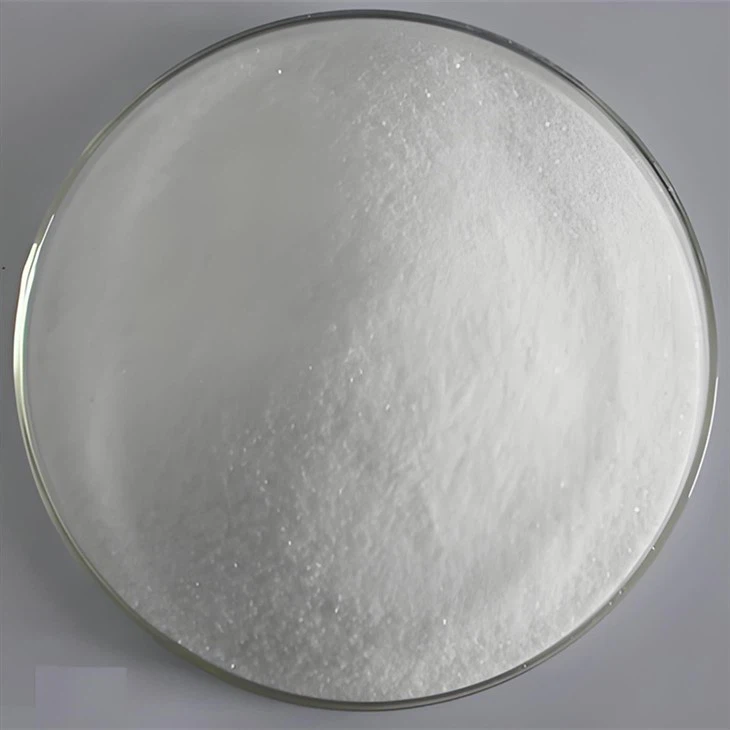

The linear thermal expansion coefficient of Pink Fused Alumina is approximately in the range of (7 - 8\times10^{-6}/^{\circ}C) in the temperature range of 20 - 1000°C. This relatively low thermal expansion coefficient makes it quite stable under temperature variations. Compared to some other materials, Pink Fused Alumina's ability to maintain its shape and dimensions over a wide temperature range is one of its key advantages.
Why the Thermal Expansion Coefficient of Pink Fused Alumina Matters
- Abrasive Applications
In abrasive applications, such as grinding wheels and sandpapers, Pink Fused Alumina is often used. During the grinding process, a significant amount of heat is generated due to friction. If the abrasive material has a high thermal expansion coefficient, it may expand unevenly, leading to cracking or deformation of the grinding wheel or sandpaper. The low thermal expansion coefficient of Pink Fused Alumina ensures that it can withstand the heat generated during grinding without significant dimensional changes, which helps to maintain the grinding performance and the integrity of the abrasive tool. - Refractory Applications
Pink Fused Alumina is also widely used in refractory materials. Refractory materials are used in high - temperature environments, such as in furnaces and kilns. In these applications, the material needs to maintain its structural integrity at extremely high temperatures. The low thermal expansion coefficient of Pink Fused Alumina allows it to resist thermal shock, which is the sudden change in temperature that can cause a material to crack or break. This makes it an ideal choice for lining furnaces, where it can withstand the repeated heating and cooling cycles without significant damage. - Ceramic and Composite Applications
In the production of ceramics and composites, Pink Fused Alumina can be used as a filler or reinforcement material. The low thermal expansion coefficient of Pink Fused Alumina helps to match the thermal expansion characteristics of the matrix material, reducing the internal stress caused by temperature changes. This results in a more stable and durable ceramic or composite product.
Comparison with Other Alumina - Based Materials
- White Fused Alumina
White Fused Alumina is another common alumina - based abrasive material. It is produced by fusing high - purity alumina in an electric arc furnace without the addition of chromium oxide. The linear thermal expansion coefficient of White Fused Alumina is also relatively low, typically in the range of (6 - 7\times10^{-6}/^{\circ}C) in the temperature range of 20 - 1000°C. While the values are similar to Pink Fused Alumina, the slight difference may make one more suitable than the other depending on the specific application requirements. For example, in applications where a slightly lower thermal expansion is critical, White Fused Alumina may be preferred. - Tabular Alumina
Tabular Alumina is produced by calcining high - purity alumina at a very high temperature. Its thermal expansion coefficient is generally in the range of (7 - 8\times10^{-6}/^{\circ}C), which is similar to Pink Fused Alumina. However, Tabular Alumina has a more stable crystal structure, which gives it better thermal shock resistance in some cases. But Pink Fused Alumina's unique combination of properties, including its abrasive performance and color, may make it a better choice in other applications.
Factors Affecting the Thermal Expansion Coefficient of Pink Fused Alumina
- Chemical Composition
The exact chemical composition of Pink Fused Alumina can affect its thermal expansion coefficient. The amount of chromium oxide added during the production process can have a slight impact. Additionally, impurities in the raw materials can also influence the thermal expansion behavior. Higher - purity Pink Fused Alumina generally has a more consistent and predictable thermal expansion coefficient. - Crystal Structure
The crystal structure of Pink Fused Alumina is formed during the fusing process. Different cooling rates and production conditions can lead to variations in the crystal structure, which in turn can affect the thermal expansion coefficient. A more ordered and stable crystal structure usually results in a more stable thermal expansion behavior.
Conclusion
The thermal expansion coefficient of Pink Fused Alumina is an important property that plays a significant role in its various applications. Its relatively low and stable thermal expansion coefficient makes it suitable for use in abrasive, refractory, ceramic, and composite applications. When compared to other alumina - based materials like White Fused Alumina and Tabular Alumina, Pink Fused Alumina offers a unique combination of properties that make it a valuable choice for many industries.
If you are interested in purchasing Pink Fused Alumina for your specific application, I encourage you to contact us for more detailed information and to discuss your requirements. We can provide you with high - quality Pink Fused Alumina products that meet your needs.
References
- "Handbook of Abrasive Technology", John Wiley & Sons.
- "Refractory Materials: Properties and Applications", CRC Press.
- Research papers on the thermal properties of alumina - based materials from academic journals.


