


In the grand tapestry of environmental protection, every thread plays a crucial role. One such often - overlooked yet vital element is the activated alumina defluorination agent. As a supplier of activated alumina products, I've witnessed firsthand the significant impact this agent has on safeguarding our environment. In this blog post, I'll delve into the essential role of the activated alumina defluorination agent in environmental protection and explore how it contributes to a cleaner, safer world.
Understanding Fluoride Pollution and Its Impact
Fluoride is a naturally occurring element that can be found in small amounts in water, soil, and various minerals. While it is beneficial in trace amounts for dental health, excessive fluoride in water can lead to serious health problems. When humans consume water with high fluoride levels over an extended period, it can cause dental fluorosis, skeletal fluorosis, and other health issues. Moreover, fluoride pollution also has a negative impact on the ecosystem. High fluoride levels can harm aquatic organisms, disrupt the balance of soil micro - organisms, and affect the growth of plants.
Industrial activities such as mining, aluminum smelting, and the production of phosphate fertilizers are major sources of fluoride pollution. These industries release large amounts of fluoride - containing wastewater into the environment, which can contaminate groundwater and surface water. Therefore, effectively removing fluoride from water sources is an urgent environmental challenge that needs to be addressed.
How Activated Alumina Defluorination Agent Works
Activated alumina is a highly porous form of aluminum oxide with a large surface area and high adsorption capacity. The activated alumina defluorination agent takes advantage of these properties to remove fluoride from water. When fluoride - containing water passes through a bed of activated alumina, the fluoride ions are adsorbed onto the surface of the activated alumina particles through a process called ion exchange and surface adsorption.
The surface of activated alumina has hydroxyl groups (-OH). The fluoride ions in the water can replace these hydroxyl groups, forming a bond with the alumina surface. Additionally, the large surface area of activated alumina provides numerous adsorption sites, allowing for efficient removal of fluoride ions from the water. Once the activated alumina reaches its adsorption capacity, it can be regenerated and reused, making it a cost - effective and sustainable solution for fluoride removal.
Applications of Activated Alumina Defluorination Agent in Environmental Protection
Drinking Water Treatment
One of the most significant applications of activated alumina defluorination agents is in drinking water treatment. Many regions around the world suffer from high fluoride levels in their water sources. By using activated alumina defluorination agents in water treatment plants, we can effectively reduce the fluoride content in drinking water to a safe level. This not only protects the health of local residents but also improves the overall quality of life in these areas. For instance, in some rural communities in India and Africa, where fluoride - contaminated groundwater is a common problem, the use of activated alumina defluorination agents has significantly improved the safety of drinking water.
Industrial Wastewater Treatment
As mentioned earlier, industries such as mining and aluminum production generate a large amount of fluoride - containing wastewater. Discharging this wastewater directly into the environment without proper treatment can cause severe pollution. Activated alumina defluorination agents can be used in industrial wastewater treatment systems to remove fluoride before the water is discharged. This helps industries comply with environmental regulations and reduces their environmental impact. For example, in the aluminum smelting industry, using an activated alumina defluorination agent can effectively reduce the fluoride concentration in the wastewater, protecting nearby water bodies from pollution.
Groundwater Remediation
Groundwater is an important source of drinking water and irrigation water. However, it can be contaminated by fluoride from natural sources or human activities. Activated alumina defluorination agents can be used in groundwater remediation projects to remove fluoride from contaminated aquifers. By injecting the defluorination agent into the groundwater or using in - situ treatment methods, we can gradually reduce the fluoride levels in the groundwater, making it safe for use again.
Advantages of Using Activated Alumina Defluorination Agent
High Efficiency
Activated alumina defluorination agents have a high adsorption capacity for fluoride ions. They can quickly and effectively reduce the fluoride concentration in water, even when the initial fluoride level is relatively high. This high - efficiency adsorption property makes them an ideal choice for large - scale water treatment projects.
Regenerability
One of the most significant advantages of activated alumina defluorination agents is their regenerability. After reaching their adsorption capacity, they can be regenerated by a simple chemical process. This not only reduces the cost of water treatment but also minimizes the amount of waste generated. The regenerated activated alumina can be reused multiple times, making it a sustainable and environmentally friendly option.
Compatibility
Activated alumina defluorination agents are compatible with a wide range of water treatment processes. They can be used in combination with other treatment methods, such as filtration and sedimentation, to improve the overall water treatment efficiency. This flexibility allows water treatment plants to customize their treatment processes according to the specific characteristics of the water source.
Our Product Portfolio
As a leading supplier of activated alumina products, we offer a comprehensive range of activated alumina - based solutions, including:
- Activated Alumina Powder: Ideal for applications where a high - surface - area adsorbent is required.
- Alumina Desiccant for Air Separation: Designed to effectively remove moisture from air during the air separation process.
- Alumina Adsorbent for Liquid Crystal: Specifically formulated for use in the liquid crystal industry to remove impurities.
- Activated Alumina Defluorination Agent: Our core product, with high efficiency and regenerability for fluoride removal from water.
- Activated Alumina PSA Adsorbent: Used in pressure swing adsorption systems for gas purification.
Looking Forward
As the global focus on environmental protection intensifies, the demand for effective fluoride removal solutions is expected to increase. Activated alumina defluorination agents will continue to play a crucial role in addressing fluoride pollution in water sources. We are committed to continuously improving our products and technologies to provide more efficient, cost - effective, and sustainable solutions for our customers.

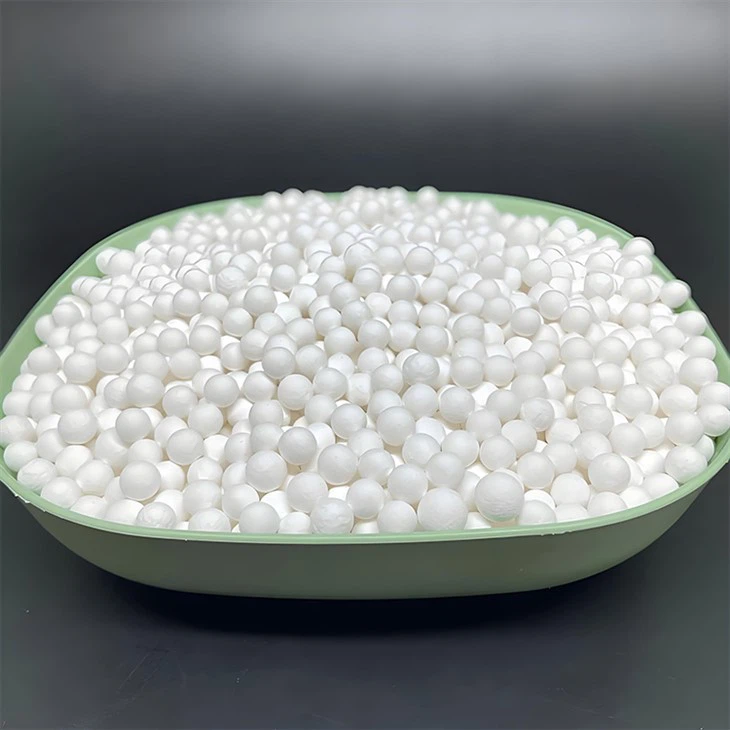
If you are interested in our activated alumina defluorination agent or other related products, please feel free to reach out to us for a detailed discussion on your specific needs. Our team of experts is ready to assist you in finding the most suitable solution for your water treatment projects.
References
- Tarvainen, T., & Lehto, J. (2005). Fluoride removal from water by activated alumina - a review. Water Science and Technology, 52(6), 163 - 170.
- M Mohan, A Pittman, C.U. (2007). Activated carbons and low cost adsorbents for remediation of trihalomethanes in water: a review. Journal of Hazardous Materials, 142(1 - 2), 1 - 23.
- USEPA. (2006). Fluoride in Drinking Water: A Scientific Review of EPA's Standards. U.S. Environmental Protection Agency.


