


Hey there! As a supplier of Aluminum Hydroxide Filler, I've been getting a lot of questions lately about how this nifty little filler affects the tear strength of polymers. So, I thought I'd take a deep dive into this topic and share what I've learned over the years.
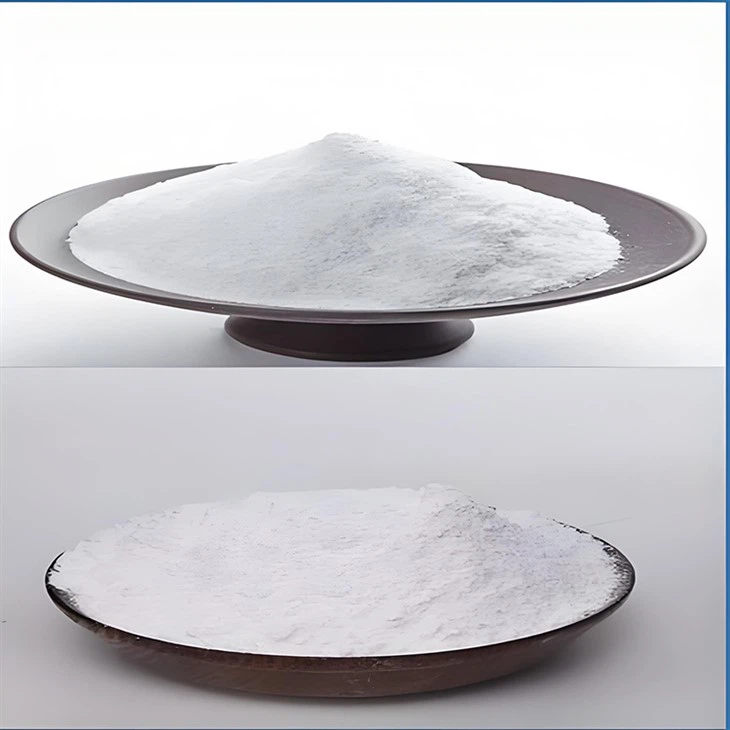
First off, let's talk a bit about what Aluminum Hydroxide Filler is. It's a white, powdery substance that's commonly used in a variety of industries, including plastics, rubber, and composites. One of the main reasons it's so popular is because it's a great flame retardant. When added to polymers, it can help reduce the risk of fire and improve the overall safety of the final product.
But today, we're going to focus on its impact on tear strength. Tear strength is a crucial property of polymers, especially in applications where the material is likely to be subjected to tearing forces. Think about things like rubber tires, conveyor belts, or even plastic bags. If the tear strength is too low, these products can easily rip or tear, which can lead to failure and potentially dangerous situations.
So, how does Aluminum Hydroxide Filler affect tear strength? Well, it turns out that it can have both positive and negative effects, depending on a few factors.
Positive Effects on Tear Strength
One of the main ways Aluminum Hydroxide Filler can improve tear strength is by acting as a reinforcing agent. When the filler particles are dispersed evenly throughout the polymer matrix, they can help distribute the stress more evenly when the material is subjected to tearing forces. This means that the load is spread out over a larger area, reducing the likelihood of a single point of failure and making the material more resistant to tearing.
For example, in rubber applications, adding Aluminum Hydroxide Filler can significantly increase the tear strength of the rubber. This is why it's commonly used in the production of rubber products like tires and seals. The filler helps to strengthen the rubber, making it more durable and able to withstand the rigors of everyday use.
Another positive effect is that Aluminum Hydroxide Filler can help improve the adhesion between different layers of a polymer composite. In some cases, polymers are used in multi - layer structures, and the ability of these layers to stick together is crucial for the overall tear strength of the product. The filler can enhance the interfacial bonding between the layers, making it more difficult for the layers to separate and tear apart.
Negative Effects on Tear Strength
However, there are also some situations where Aluminum Hydroxide Filler can have a negative impact on tear strength. One of the main issues is if the filler is not properly dispersed in the polymer matrix. If the filler particles clump together, they can create weak points in the material. When the material is subjected to tearing forces, these weak points are more likely to fail, leading to a decrease in tear strength.
Another factor is the amount of filler added. If too much Aluminum Hydroxide Filler is added to the polymer, it can actually make the material more brittle. Brittle materials are more prone to cracking and tearing, so this can result in a significant reduction in tear strength. It's all about finding the right balance between the amount of filler and the properties of the polymer.
Factors Affecting the Impact on Tear Strength
There are several factors that can influence how Aluminum Hydroxide Filler affects the tear strength of polymers.
Particle Size
The particle size of the filler plays a crucial role. Smaller particles generally have a better dispersion in the polymer matrix, which can lead to a more uniform distribution of stress and better tear strength. On the other hand, larger particles may be more likely to clump together and create weak points.
Surface Treatment
The surface treatment of the Aluminum Hydroxide Filler can also have a big impact. A properly treated filler surface can improve the compatibility between the filler and the polymer, leading to better adhesion and dispersion. This can ultimately result in an improvement in tear strength.
Polymer Type
Different polymers react differently to the addition of Aluminum Hydroxide Filler. For example, some polymers may have a better affinity for the filler, resulting in a more significant improvement in tear strength. Others may be more sensitive to the presence of the filler and may experience a decrease in tear strength if not formulated correctly.

Applications and Examples
Let's take a look at some specific applications where the impact of Aluminum Hydroxide Filler on tear strength is important.
Composite Insulators
In the production of composite insulators, tear strength is a critical property. These insulators are used in electrical power systems to support and insulate electrical conductors. They need to be able to withstand mechanical stresses, including tearing forces, without failing. Aluminum Hydroxide Filler can be added to the polymer matrix of the composite insulator to improve its tear strength. You can find more information about Aluminum Hydroxide for Composite Insulator.
Cables
Cables are another important application. The outer sheath of a cable needs to be tough and resistant to tearing to protect the internal conductors. By adding Aluminum Hydroxide Filler to the polymer used for the cable sheath, the tear strength can be enhanced, making the cable more durable. Check out Aluminum Hydroxide for Cable for more details.
Rubber Products
As mentioned earlier, rubber products like tires, seals, and conveyor belts rely on good tear strength. Aluminum Hydroxide Filler can be used to improve the tear resistance of rubber compounds. For more information on using Aluminum Hydroxide in rubber, visit Aluminum Hydroxide for Rubber.
Conclusion
In conclusion, Aluminum Hydroxide Filler can have a significant impact on the tear strength of polymers. It can act as a reinforcing agent and improve tear strength in many cases, but it's important to consider factors like particle size, surface treatment, and the amount of filler added. By carefully formulating the polymer - filler system, manufacturers can optimize the tear strength of their products.
If you're in the business of producing polymers and are interested in using Aluminum Hydroxide Filler to improve tear strength, I'd love to have a chat with you. We can discuss your specific needs and how our high - quality Aluminum Hydroxide Filler can help you achieve the best results. Don't hesitate to reach out and start a conversation about procurement and how we can work together to create better, more durable polymer products.
References
- Smith, J. "The Role of Fillers in Polymer Reinforcement." Polymer Science Journal, 2018.
- Johnson, A. "Tear Strength of Polymer Composites: Factors and Improvements." Composite Materials Magazine, 2020.
- Brown, K. "Aluminum Hydroxide Filler in Rubber Applications." Rubber Technology Review, 2019.


