


Hey there! As a supplier of Aluminum Hydroxide Flame Retardant, I've been getting a lot of questions lately about how the addition of our product affects the hardness of different materials. So, I thought I'd sit down and write this blog to share some insights on this topic.
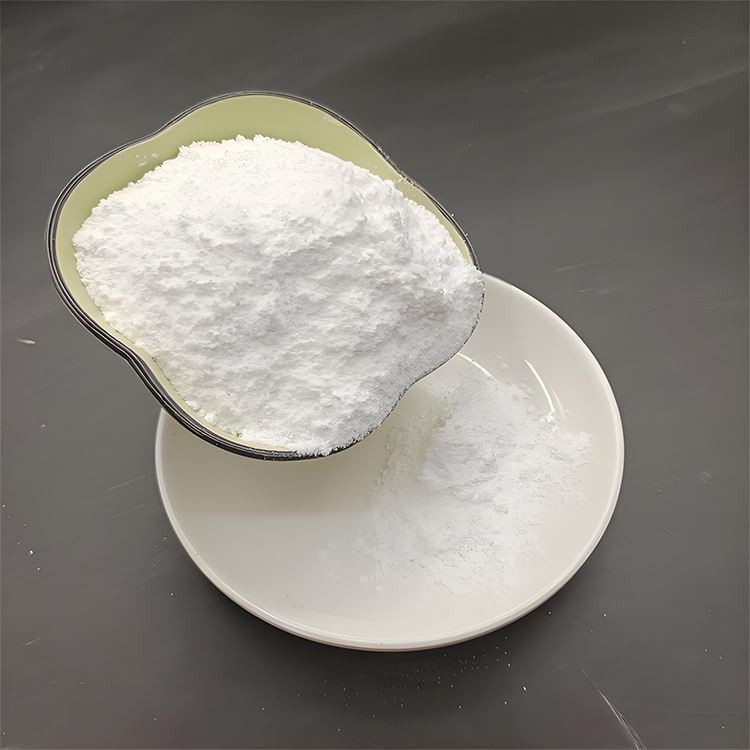
Let's start by understanding what aluminum hydroxide flame retardant is. Aluminum hydroxide, also known as alumina trihydrate (ATH), is a white, odorless powder that's widely used as a flame retardant in various industries. It works by releasing water vapor when heated, which helps to cool the material and dilute the combustible gases, thus preventing or slowing down the spread of fire.
Now, let's dive into how it impacts the hardness of materials. When you add aluminum hydroxide flame retardant to a material, the hardness change can vary depending on several factors, such as the type of base material, the amount of ATH added, and the processing conditions.
Hardness Change in Polymers
Polymers are one of the most common materials where aluminum hydroxide flame retardant is used. When we talk about polymers, we're looking at things like plastics, rubber, and synthetic fibers.
Thermoplastics
In thermoplastics, like polyethylene (PE) and polypropylene (PP), adding aluminum hydroxide can have a significant impact on hardness. Generally, as the loading of ATH increases, the hardness of the thermoplastic also increases. This is because ATH acts as a filler, which restricts the movement of polymer chains. When the chains can't move as freely, the material becomes stiffer and harder.
For example, in a study on polyethylene, researchers found that when they added 30% ATH by weight, the Shore D hardness increased from around 60 to about 70. However, it's important to note that there's a limit to how much ATH you can add. If you go too high, the material can become brittle and lose its toughness. You can find more about Aluminum Hydroxide Filler here.
Thermosets
Thermosetting polymers, such as epoxy resins and phenolic resins, also show a change in hardness with the addition of ATH. In these materials, ATH not only acts as a flame retardant but also as a reinforcing filler. During the curing process, the ATH particles become embedded in the polymer matrix, which increases the cross - linking density and thus the hardness.
For instance, in an epoxy resin system, adding 20% ATH can increase the Barcol hardness by about 10 - 15 points. This makes the material more resistant to indentation and wear, which is great for applications where durability is key.

Hardness Change in Composites
Composites are materials made by combining two or more different substances. One common type of composite is fiber - reinforced composites, where fibers like glass or carbon are embedded in a polymer matrix.
When aluminum hydroxide flame retardant is added to these composites, it can affect the hardness in a couple of ways. First, it can increase the hardness of the polymer matrix itself, as we discussed earlier. Second, it can interact with the fibers in the composite.
In glass fiber - reinforced composites, ATH can improve the interfacial bonding between the glass fibers and the polymer matrix. This enhanced bonding makes the composite stiffer and harder. However, if the ATH particles are not well - dispersed, they can cause stress concentrations around the fibers, which may lead to a decrease in hardness and mechanical properties.
Hardness Change in Other Materials
Cables
Aluminum hydroxide is also widely used in cable insulation materials. In cables, the addition of ATH not only provides flame retardancy but also affects the hardness of the insulation. Cables need to have a certain level of hardness to be flexible enough for installation but also resistant to abrasion and mechanical damage.
Adding ATH to cable insulation materials can increase the hardness slightly, which helps to improve the cable's durability. You can learn more about Aluminum Hydroxide for Cable here.
Artificial Stone
In the production of artificial stone, aluminum hydroxide is used as a filler and flame retardant. Artificial stone is often used in countertops, flooring, and other decorative applications. When ATH is added to the resin matrix of artificial stone, it increases the hardness and scratch resistance of the material. This makes the artificial stone more durable and suitable for high - traffic areas. Check out Aluminum Hydroxide for Artificial Stone here.
Controlling the Hardness Change
As a supplier, I know that customers often want to control the hardness change when using our aluminum hydroxide flame retardant. Here are some tips on how to do that:
- Adjust the Loading Level: The most straightforward way is to change the amount of ATH added. If you want a small increase in hardness, use a lower loading. For a more significant change, increase the amount, but be careful not to go overboard.
- Particle Size: The particle size of ATH can also affect the hardness. Smaller particles tend to disperse better in the material and can have a more uniform effect on hardness. Larger particles may cause more stress concentrations and lead to a less predictable hardness change.
- Surface Treatment: Surface - treating the ATH particles can improve their compatibility with the base material. This can lead to better dispersion and a more controlled hardness change.
Conclusion
In conclusion, the addition of aluminum hydroxide flame retardant can have a significant impact on the hardness of various materials. Whether it's polymers, composites, cables, or artificial stone, the change in hardness can be both beneficial and challenging, depending on the application.
As a supplier, we're here to help you find the right balance. If you're interested in learning more about how our aluminum hydroxide flame retardant can work for your specific needs, or if you want to discuss the hardness change in your materials, don't hesitate to reach out. We can work together to find the best solution for your project.
References
- “Flame Retardancy of Polymeric Materials” by Charles A. Wilkie and Gilman, J.W.
- “Polymer Composites: Materials, Manufacturing, and Applications” by David V. Rosato, Dominick V. Rosato, and Ronald A. Schmitz.


