


As a leading supplier of Aluminum Hydroxide Flame Retardant, I'm often asked about the flame - retardant mechanism of aluminum hydroxide in polyvinyl chloride (PVC) plastics. Understanding this mechanism is crucial for manufacturers looking to enhance the fire - safety of their PVC products. Let's explore this topic in detail.
The Basics of PVC and the Need for Flame Retardancy
Polyvinyl chloride (PVC) is one of the most widely used plastics in the world. It has a wide range of applications, from construction materials like pipes and window frames to electrical cables and upholstery. However, PVC has a relatively high flammability, which poses a significant risk in many applications. When PVC burns, it releases large amounts of heat, toxic smoke, and corrosive gases, which can cause serious harm to people and property. Therefore, adding flame retardants to PVC is essential to meet safety standards and reduce fire hazards.
Introduction to Aluminum Hydroxide as a Flame Retardant
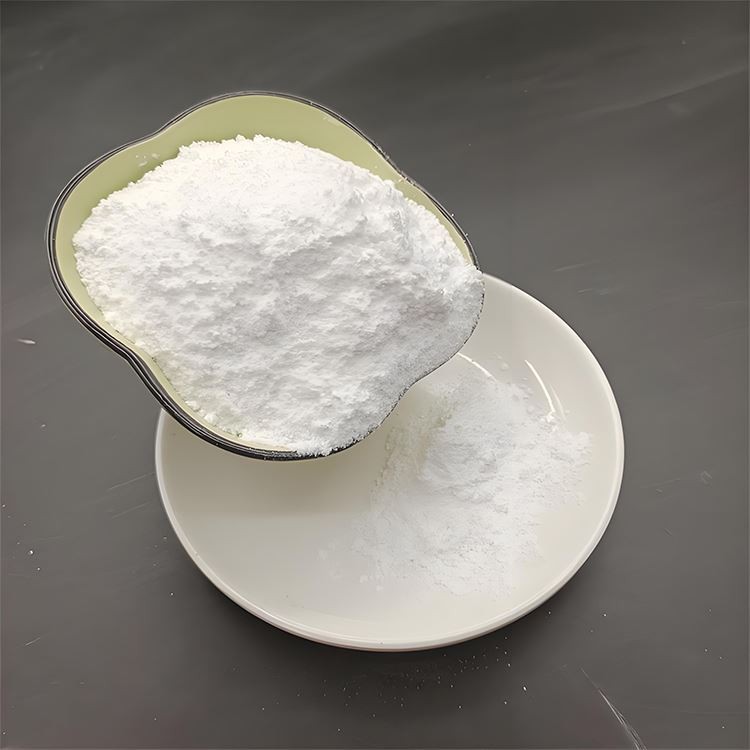
Aluminum hydroxide (Al(OH)₃), also known as alumina trihydrate (ATH), is a popular choice as a flame retardant in PVC plastics. It is a white, odorless powder that is non - toxic, inexpensive, and has good chemical stability. Aluminum hydroxide has been used in the plastics industry for many years due to its excellent flame - retardant properties and its ability to improve the mechanical and processing properties of the polymer.
The Flame - Retardant Mechanism of Aluminum Hydroxide in PVC
Endothermic Decomposition
One of the primary flame - retardant mechanisms of aluminum hydroxide is its endothermic decomposition. When heated, aluminum hydroxide decomposes in a three - step process:
- In the first step, between 180 - 250°C, about one - third of the water is lost, and aluminum hydroxide is converted to boehmite (AlOOH).
[2Al(OH)_3\rightarrow2AlOOH + 2H_2O] - The second step occurs between 250 - 350°C, where boehmite further decomposes to pseudo - boehmite and releases more water.
- The final step, above 450°C, involves the conversion of pseudo - boehmite to alumina ((Al_2O_3)) and the release of the remaining water.
[2AlOOH\rightarrow Al_2O_3+H_2O]
This endothermic decomposition process absorbs a large amount of heat from the fire, thereby reducing the temperature of the PVC matrix. As a result, the rate of thermal degradation of PVC is slowed down, and the ignition and spread of the fire are suppressed.
Dilution Effect
The decomposition of aluminum hydroxide also produces water vapor. This water vapor acts as a diluent in the combustion zone. It dilutes the concentration of oxygen and flammable gases released by the PVC during combustion. According to the law of mass action, a lower concentration of oxygen and fuel gases reduces the rate of the combustion reaction. Since the combustion of PVC is a highly exothermic reaction that requires a sufficient supply of oxygen and fuel, the dilution effect of the water vapor can effectively slow down or even stop the burning process.

Char Formation and Barrier Effect
During the decomposition of aluminum hydroxide, the alumina ((Al_2O_3)) residue forms a protective layer on the surface of the PVC. This layer acts as a physical barrier that hinders the transfer of heat, oxygen, and fuel between the burning PVC and the surrounding environment. The char layer prevents the further decomposition of the underlying PVC by insulating it from the intense heat of the fire. It also reduces the escape of flammable gases from the PVC, thus cutting off the fuel supply for the combustion reaction.
Smoke Suppression
In addition to its flame - retardant effects, aluminum hydroxide can also suppress the generation of smoke during the combustion of PVC. When PVC burns, it releases a large amount of dense, black smoke, which is mainly composed of carbonaceous particles and toxic gases such as hydrogen chloride (HCl). The decomposition products of aluminum hydroxide can react with the HCl gas, forming aluminum chloride ((AlCl_3)). This reaction reduces the amount of HCl released into the atmosphere and also helps to reduce the formation of carbonaceous particles, resulting in less smoke generation.
Applications of Aluminum Hydroxide in PVC Plastics
- Construction Industry: In the construction sector, PVC products are widely used for pipes, profiles, and insulation materials. Adding aluminum hydroxide as a flame retardant can significantly improve the fire safety of these products. For example, PVC window frames with aluminum hydroxide flame retardant are less likely to catch fire and spread flames, providing better protection for buildings and occupants. You can find more information about our Aluminum Hydroxide Filler suitable for construction applications.
- Electrical and Electronic Applications: PVC is commonly used as an insulating material in electrical cables. However, the flammability of PVC can pose a serious risk in electrical systems. By incorporating aluminum hydroxide, the fire safety of cables is enhanced. Our Aluminum Hydroxide for Cable is specifically designed to meet the strict requirements of the cable industry.
- Composite Insulators: Aluminum hydroxide can also be used in PVC - based composite insulators. These insulators are used in high - voltage power transmission and distribution systems. The flame - retardant properties of aluminum hydroxide ensure that the insulators can withstand high temperatures and prevent fires, improving the reliability and safety of the power grid. To learn more about our Aluminum Hydroxide for Composite Insulator, please visit our website.
Contact for Purchase and Consultation
If you are a PVC manufacturer or involved in any industry that requires flame - retardant PVC products, we are here to provide you with high - quality Aluminum Hydroxide Flame Retardant. Our products are carefully manufactured to meet the highest standards of quality and performance. Whether you need technical advice on the flame - retardant mechanism, product selection, or have any questions about the application of aluminum hydroxide in PVC, our team of experts is ready to assist you. We are committed to providing you with the best solutions to enhance the fire safety of your products. Please contact us for more information and to start a purchase negotiation.
References
- Levchik, S. V., & Weil, E. D. (2006). Thermal decomposition, combustion and fire - retardancy of polyurethanes - a review of the recent literature. Polymer Degradation and Stability, 91(12), 3078 - 3108.
- Wu, Q., & Guo, B. (2009). Thermal degradation and fire behavior of poly(vinyl chloride) (PVC) - based intumescent flame - retardant composites. Journal of Thermal Analysis and Calorimetry, 97(1), 207 - 213.
- Weil, E. D. (2016). Flame Retardancy of Polymeric Materials (3rd ed.). A Wiley - Interscience Publication.


