


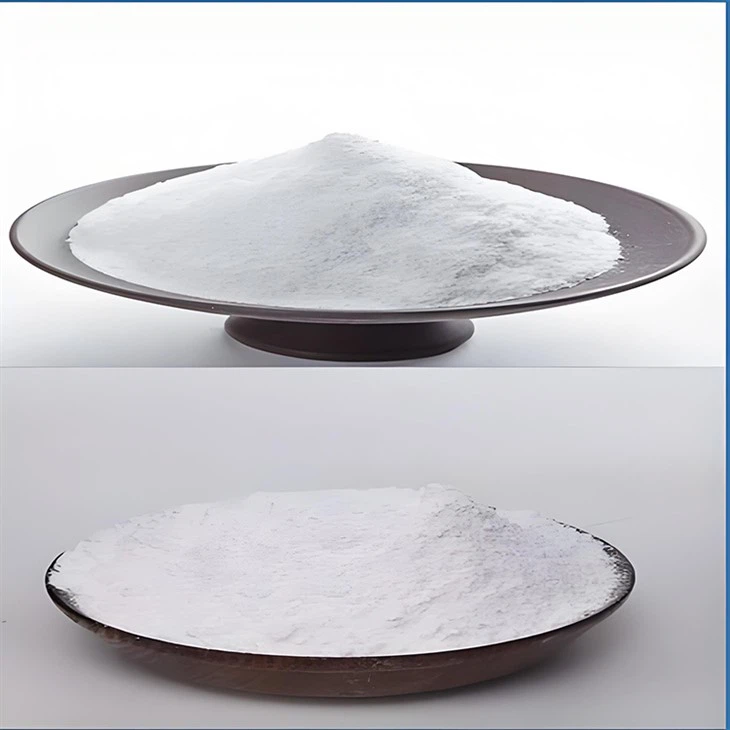
Hey there! As a supplier of aluminium hydroxide, I've got a ton of insights to share about how it's used in the production of adhesives. Aluminium hydroxide, often known as alumina trihydrate (ATH), is a versatile compound that plays a crucial role in the adhesive industry. Let's dive right in and explore its applications.
Flame Retardancy in Adhesives
One of the most significant uses of aluminium hydroxide in adhesive production is its flame - retardant properties. Adhesives are used in a wide range of applications, from construction to electronics. In many of these scenarios, fire safety is a top concern. When exposed to high temperatures, aluminium hydroxide decomposes endothermically. This means it absorbs heat, which helps to cool down the surrounding area and prevent the spread of fire.
For example, in the construction industry, adhesives are used to bond various building materials together. If a fire breaks out, adhesives with aluminium hydroxide can slow down the ignition and spread of flames, giving people more time to evacuate. In the electronics sector, where components are often in close proximity and heat can build up, flame - retardant adhesives are essential to prevent short - circuits and potential fires. You can learn more about our specialized aluminium hydroxide for such applications on our Aluminum Hydroxide for Cable page.
Smoke Suppression
In addition to its flame - retardant capabilities, aluminium hydroxide also acts as a smoke suppressant. When a fire occurs, the smoke can be just as dangerous as the flames themselves. Smoke can reduce visibility, making it difficult for people to find their way out of a burning building, and it can also contain toxic gases. Aluminium hydroxide helps to reduce the amount of smoke produced during combustion.
During the decomposition process, it releases water vapor, which dilutes the smoke and reduces its density. This is particularly important in enclosed spaces such as buildings, vehicles, and airplanes. Adhesives with aluminium hydroxide can significantly improve the overall fire safety of these environments by minimizing the smoke hazard.
Filler and Reinforcement
Aluminium hydroxide also serves as an excellent filler and reinforcement agent in adhesives. When added to the adhesive formulation, it can improve the mechanical properties of the adhesive. It increases the stiffness and strength of the adhesive bond, making it more resistant to stress and deformation.
For instance, in the automotive industry, adhesives are used to bond various parts together, such as body panels and interior components. By adding aluminium hydroxide, the adhesive can better withstand the vibrations and impacts that vehicles experience during normal use. In the aerospace industry, where weight is a critical factor, aluminium hydroxide can provide reinforcement without adding excessive weight to the adhesive. You can check out our Aluminum Hydroxide for Composite Insulator for more details on how it can be used in high - performance applications.
Chemical Resistance
Another advantage of using aluminium hydroxide in adhesives is its chemical resistance. Adhesives are often exposed to various chemicals in different environments. Aluminium hydroxide can protect the adhesive from chemical attack, ensuring its long - term durability.
In industrial settings, where adhesives may come into contact with acids, bases, or solvents, the addition of aluminium hydroxide can prevent the adhesive from deteriorating. This is also important in outdoor applications, where adhesives are exposed to environmental factors such as rain, sunlight, and pollutants. The chemical resistance provided by aluminium hydroxide helps to maintain the integrity of the adhesive bond over time.
Compatibility with Other Ingredients
Aluminium hydroxide is highly compatible with other ingredients commonly used in adhesive formulations. It can be easily incorporated into different types of adhesives, including epoxy, polyurethane, and acrylic adhesives. This compatibility allows formulators to customize the adhesive properties according to specific application requirements.
For example, in epoxy adhesives, aluminium hydroxide can be added to enhance the flame - retardancy without significantly affecting the curing process or the final properties of the adhesive. In polyurethane adhesives, it can improve the mechanical strength and chemical resistance while maintaining the flexibility of the adhesive.
Cost - Effectiveness
From a cost perspective, aluminium hydroxide is a cost - effective additive for adhesives. It is relatively inexpensive compared to some other flame - retardant and filler materials. At the same time, it offers multiple benefits, such as flame retardancy, smoke suppression, and reinforcement.
By using aluminium hydroxide, adhesive manufacturers can produce high - quality adhesives at a lower cost. This makes it an attractive option for both large - scale industrial production and small - scale applications.
Applications in Different Industries
Let's take a closer look at how aluminium hydroxide - containing adhesives are used in different industries:
Construction Industry
In construction, adhesives are used for bonding flooring, wall panels, and insulation materials. Flame - retardant and smoke - suppressing adhesives are essential to meet building codes and ensure the safety of occupants. Aluminium hydroxide - based adhesives can also provide good adhesion and long - term durability, even in harsh environmental conditions.

Automotive Industry
As mentioned earlier, adhesives are widely used in the automotive industry for body assembly, interior trim, and electrical component bonding. The addition of aluminium hydroxide improves the fire safety, mechanical strength, and chemical resistance of the adhesives, contributing to the overall quality and safety of the vehicle.
Electronics Industry
In electronics, adhesives are used for component mounting, encapsulation, and potting. Flame - retardant adhesives are crucial to prevent fires and protect sensitive electronic components. Aluminium hydroxide helps to achieve these goals while also providing good electrical insulation properties.
Aerospace Industry
The aerospace industry has strict requirements for materials due to the extreme conditions in which aircraft operate. Adhesives with aluminium hydroxide offer lightweight reinforcement, flame retardancy, and chemical resistance, making them suitable for various aerospace applications, such as bonding composite materials and interior components.
Conclusion
In conclusion, aluminium hydroxide is a valuable additive in the production of adhesives. Its flame - retardant, smoke - suppressing, reinforcing, and chemical - resistant properties make it an ideal choice for a wide range of applications in different industries. Whether you're in construction, automotive, electronics, or aerospace, our aluminium hydroxide can help you produce high - quality adhesives that meet your specific needs.
If you're interested in learning more about our aluminium hydroxide products or discussing your adhesive production requirements, don't hesitate to reach out. We're here to help you find the best solutions for your business.
References
- ASTM International. (20XX). Standard test methods for evaluating the fire - related properties of adhesives.
- Smith, J. (20XX). Flame retardants in polymer materials. Polymer Science Journal.
- Johnson, A. (20XX). The role of fillers in adhesive formulations. Adhesive Technology Review.


