


Hey there! As a supplier of Activated Alumina PSA Adsorbent, I get asked a lot about the surface area of this nifty stuff. So, in this blog, I'm gonna dive deep into what the surface area of Activated Alumina PSA Adsorbent is, why it matters, and how it all plays out in the real world.
What Exactly is Activated Alumina PSA Adsorbent?
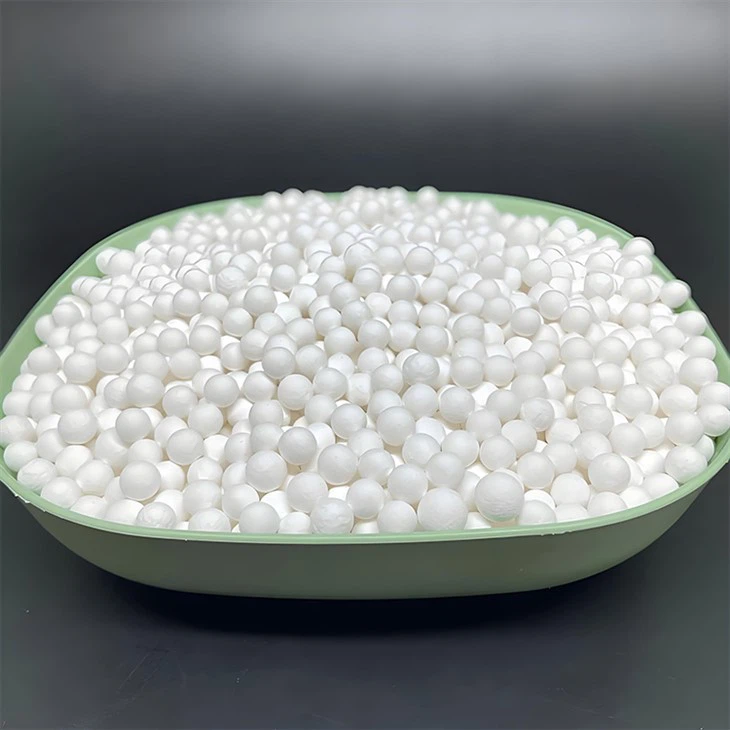
Before we jump into the surface area stuff, let's quickly cover what Activated Alumina PSA Adsorbent is. PSA stands for Pressure Swing Adsorption, a process used in a bunch of industries to separate gases. Activated alumina is a form of aluminum oxide that has been processed to have a highly porous structure. This porousness gives it some amazing adsorption properties, making it perfect for PSA applications. It can suck up water vapor, carbon dioxide, and other impurities from gas streams, helping to purify and dry the gases.
You can check out more details about Activated Alumina PSA Adsorbent on our website.
The Big Deal About Surface Area
Okay, so here's the thing: the surface area of Activated Alumina PSA Adsorbent is super important. You see, adsorption is all about the interaction between the adsorbate (the stuff being adsorbed) and the adsorbent (our activated alumina). The more surface area there is, the more places there are for the adsorbate molecules to stick to the adsorbent. It's like having a bigger sponge - it can soak up more water.
In the case of activated alumina, a high surface area means it can adsorb more impurities in a shorter amount of time. This is crucial in industries where efficiency is key, like in the production of high - purity gases for electronics manufacturing or in air separation plants.
Measuring the Surface Area
Measuring the surface area of Activated Alumina PSA Adsorbent isn't a walk in the park. There are a few common methods used, and one of the most popular ones is the Brunauer - Emmett - Teller (BET) method. This method involves measuring the amount of gas (usually nitrogen) that adsorbs onto the surface of the adsorbent at different pressures. By analyzing the adsorption isotherm (a graph that shows how much gas is adsorbed at different pressures), you can calculate the surface area of the adsorbent.
The surface area of Activated Alumina PSA Adsorbent can vary widely depending on factors like the manufacturing process, the starting materials, and any post - treatment steps. Generally, good - quality activated alumina for PSA applications can have a surface area ranging from 200 to 400 square meters per gram (m²/g). That's mind - bogglingly huge! To put it in perspective, if you could spread out one gram of activated alumina with a surface area of 300 m²/g, it would cover an area about the size of a small apartment.
How Surface Area Affects Performance
The surface area of Activated Alumina PSA Adsorbent has a direct impact on its performance. A higher surface area means more adsorption sites, which leads to a higher adsorption capacity. This is great because it means you can get more purification done with less adsorbent. It also means that the adsorbent can work more quickly, reducing the time needed for the PSA process.
But it's not all about having the highest surface area possible. Sometimes, a very high surface area can come at the expense of other properties. For example, the pores in the activated alumina might be very small, which can slow down the diffusion of the adsorbate molecules into the pores. This can limit the adsorption rate, even though there are a lot of adsorption sites available.
In air separation plants, for instance, where activated alumina is used as an Alumina Desiccant for Air Separation, the right balance of surface area and pore size is crucial for efficient water vapor removal.
Applications and Surface Area Requirements
Different applications have different requirements when it comes to the surface area of Activated Alumina PSA Adsorbent.
Gas Purification in the Chemical Industry
In the chemical industry, activated alumina is often used to purify gases. For example, in the production of hydrogen gas for fuel cells, activated alumina can remove impurities like water vapor and carbon dioxide. In these applications, a relatively high surface area is preferred because it allows for a greater amount of impurities to be adsorbed. This helps to ensure that the hydrogen gas produced meets the high - purity requirements of fuel cells.
Drying in the Electronics Industry
In the electronics industry, where moisture can cause serious damage to sensitive components, activated alumina is used as a desiccant. The surface area of the activated alumina needs to be high enough to quickly and effectively remove moisture from the air in the manufacturing environment. This helps to prevent corrosion and other moisture - related problems, ensuring the quality of the electronic products.
Liquid Crystal Adsorption
When used as an Alumina Adsorbent for Liquid Crystal, the surface area also plays a vital role. The activated alumina needs to be able to adsorb impurities from the liquid crystal material, and a higher surface area provides more opportunities for the adsorption to occur, leading to a purer liquid crystal product.
Our Product and Surface Area
At our company, we take great pride in producing high - quality Activated Alumina PSA Adsorbent with a carefully controlled surface area. We've fine - tuned our manufacturing process to ensure that the adsorbent we offer has the optimal balance of surface area, pore size, and other properties for different applications.
We use advanced quality control measures to monitor the surface area of our activated alumina. Every batch is tested using the BET method and other techniques to make sure it meets our strict quality standards. This way, our customers can trust that they're getting a reliable and efficient product.
Why You Should Choose Our Product
If you're in the market for Activated Alumina PSA Adsorbent, there are several reasons why you should consider our product. First of all, our focus on surface area optimization means that our adsorbent can offer better performance compared to some competitors. This can translate into cost savings for you, as you'll need less adsorbent to achieve the same level of purification or drying.
Secondly, we offer excellent customer service. We understand that every customer has unique needs, and we're always ready to work with you to find the right product for your application. Whether you're a small - scale manufacturer or a large industrial plant, we can provide the support and advice you need.

Let's Talk
If you're interested in learning more about our Activated Alumina PSA Adsorbent or if you're ready to place an order, I'd love to hear from you. Just reach out to us, and we can start a conversation about how our product can meet your specific requirements. Let's work together to make your processes more efficient and your products better.
References
- Brunauer, S., Emmett, P. H., & Teller, E. (1938). Adsorption of gases in multimolecular layers. Journal of the American Chemical Society, 60(2), 309 - 319.
- Ruthven, D. M., Farooq, S., & Knaebel, K. S. (1994). Pressure swing adsorption. Wiley.


