


Activated alumina adsorbent is a widely used material in various industries due to its excellent adsorption properties. As a leading activated alumina adsorbent supplier, we often receive inquiries about the regeneration method of this important material. In this blog post, we will delve into the details of the regeneration methods of activated alumina adsorbent, exploring the principles, processes, and factors that influence the regeneration efficiency.
Understanding Activated Alumina Adsorbent
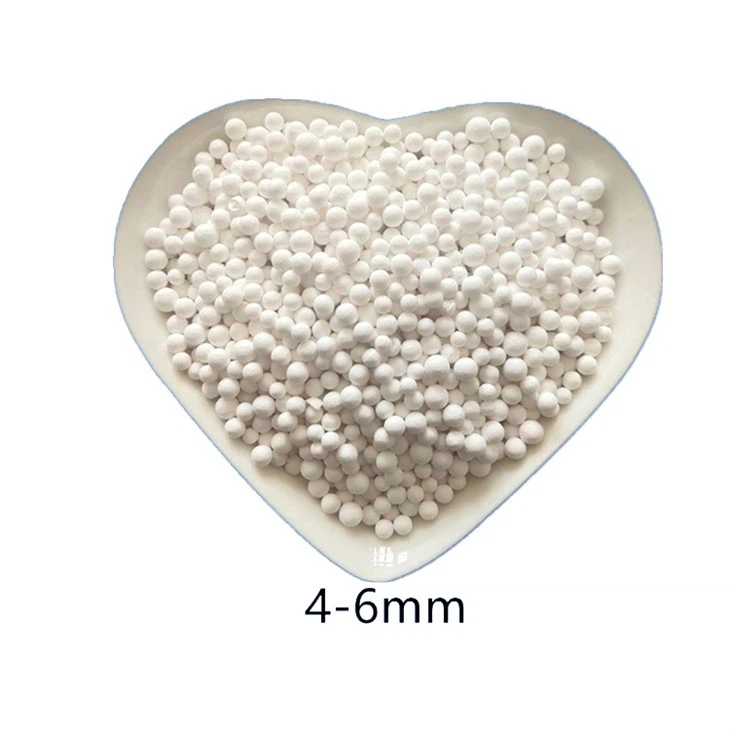
Before we discuss the regeneration methods, it is essential to understand what activated alumina adsorbent is. Activated alumina is a porous, granular form of aluminum oxide that has a high surface area, making it an effective adsorbent for a wide range of substances. It can adsorb water, gases, and various contaminants from liquids and gases, making it suitable for applications such as air drying, water purification, and gas separation.
Our company offers a variety of activated alumina adsorbents, including Activated Alumina Defluorination Agent, Activated Alumina PSA Adsorbent, and Alumina Adsorbent for Liquid Crystal. Each type of adsorbent is designed to meet specific requirements and applications.
Regeneration Principles
The regeneration of activated alumina adsorbent is based on the principle of desorption. When an adsorbent is saturated with adsorbed substances, it loses its adsorption capacity. Regeneration involves removing the adsorbed substances from the adsorbent to restore its adsorption capacity. There are several methods for regenerating activated alumina adsorbent, including thermal regeneration, pressure swing regeneration, and chemical regeneration.
Thermal Regeneration
Thermal regeneration is one of the most common methods for regenerating activated alumina adsorbent. This method involves heating the saturated adsorbent to a high temperature to desorb the adsorbed substances. The desorbed substances are then removed from the adsorbent bed, and the adsorbent is cooled down to restore its adsorption capacity.
The temperature required for thermal regeneration depends on the type of adsorbed substances and the properties of the activated alumina adsorbent. Generally, the regeneration temperature ranges from 150°C to 350°C. At these temperatures, the adsorbed substances are vaporized and removed from the adsorbent.
Thermal regeneration has several advantages. It is a simple and effective method that can be used for a wide range of adsorbed substances. It also allows for the complete removal of adsorbed substances, restoring the adsorbent to its original adsorption capacity. However, thermal regeneration requires a significant amount of energy, and the high temperatures can cause damage to the adsorbent if not controlled properly.
Pressure Swing Regeneration
Pressure swing regeneration is another method for regenerating activated alumina adsorbent. This method is based on the principle that the adsorption capacity of an adsorbent decreases with decreasing pressure. In pressure swing regeneration, the saturated adsorbent is exposed to a low-pressure environment, causing the adsorbed substances to desorb from the adsorbent.
The pressure swing regeneration process typically involves two steps: adsorption and desorption. During the adsorption step, the adsorbent is exposed to a high-pressure gas stream containing the substances to be adsorbed. The adsorbent adsorbs the substances, and the purified gas stream is released. During the desorption step, the pressure is reduced, and the adsorbed substances are desorbed from the adsorbent.
Pressure swing regeneration has several advantages. It is a relatively energy-efficient method that can be used for continuous operation. It also allows for the selective removal of adsorbed substances, depending on the pressure and temperature conditions. However, pressure swing regeneration requires a complex system of valves and compressors, and the process can be sensitive to changes in operating conditions.
Chemical Regeneration
Chemical regeneration involves the use of chemicals to remove the adsorbed substances from the activated alumina adsorbent. This method is typically used when the adsorbed substances are difficult to desorb by thermal or pressure swing regeneration.
The choice of chemical for regeneration depends on the type of adsorbed substances. For example, acids or bases can be used to remove metal ions or organic contaminants from the adsorbent. The chemical regeneration process typically involves soaking the saturated adsorbent in a solution containing the regenerating chemical. The adsorbed substances react with the chemical and are removed from the adsorbent.
Chemical regeneration has several advantages. It can be used for a wide range of adsorbed substances, and it can be more effective than thermal or pressure swing regeneration in some cases. However, chemical regeneration requires the use of chemicals, which can be expensive and may cause environmental pollution if not properly disposed of.
Factors Affecting Regeneration Efficiency
Several factors can affect the regeneration efficiency of activated alumina adsorbent. These factors include the type of adsorbed substances, the regeneration method, the regeneration temperature, the regeneration time, and the properties of the adsorbent.
Type of Adsorbed Substances
The type of adsorbed substances can have a significant impact on the regeneration efficiency. Some substances are more difficult to desorb than others, depending on their chemical properties and the strength of their interaction with the adsorbent. For example, polar substances such as water and alcohols are more easily desorbed than non-polar substances such as hydrocarbons.
Regeneration Method
The choice of regeneration method can also affect the regeneration efficiency. Different regeneration methods have different advantages and disadvantages, and the choice of method depends on the type of adsorbed substances, the properties of the adsorbent, and the operating conditions. For example, thermal regeneration is more effective for removing water and other volatile substances, while chemical regeneration is more effective for removing metal ions and organic contaminants.
Regeneration Temperature
The regeneration temperature is an important factor that affects the regeneration efficiency. Higher temperatures generally result in faster desorption rates, but they can also cause damage to the adsorbent if the temperature is too high. The optimal regeneration temperature depends on the type of adsorbed substances and the properties of the adsorbent.
Regeneration Time
The regeneration time is another important factor that affects the regeneration efficiency. Longer regeneration times generally result in more complete desorption of the adsorbed substances, but they also increase the energy consumption and the cost of the regeneration process. The optimal regeneration time depends on the type of adsorbed substances, the regeneration method, and the operating conditions.
Properties of the Adsorbent
The properties of the adsorbent, such as its surface area, pore size, and pore volume, can also affect the regeneration efficiency. Adsorbents with a high surface area and a large pore volume generally have a higher adsorption capacity and a faster desorption rate. However, these adsorbents may also be more susceptible to damage during the regeneration process.
Conclusion
In conclusion, the regeneration of activated alumina adsorbent is an important process that allows for the reuse of the adsorbent and reduces the cost of adsorption processes. There are several methods for regenerating activated alumina adsorbent, including thermal regeneration, pressure swing regeneration, and chemical regeneration. The choice of regeneration method depends on the type of adsorbed substances, the properties of the adsorbent, and the operating conditions.
As a leading activated alumina adsorbent supplier, we are committed to providing high-quality adsorbents and technical support to our customers. If you have any questions about the regeneration of activated alumina adsorbent or would like to discuss your specific requirements, please feel free to contact us. We look forward to working with you to find the best solution for your adsorption needs.

References
- Do, D. D. (1998). Adsorption analysis: Equilibria and kinetics. Imperial College Press.
- Ruthven, D. M., Farooq, S., & Knaebel, K. S. (1994). Pressure swing adsorption. VCH Publishers.
- Yang, R. T. (1987). Gas separation by adsorption processes. Butterworth-Heinemann.


